Sadiq Khan continues to 'vehemently oppose' plans for Heathrow expansion
The Mayor of London urged ministers to reject plans for a third runway, citing impacts on noise pollution, air quality, carbon emissions and the environment. The GMB union told MPs they expect the plans to bring thousands of 'well-paid, real-world wage jobs with pensions'.
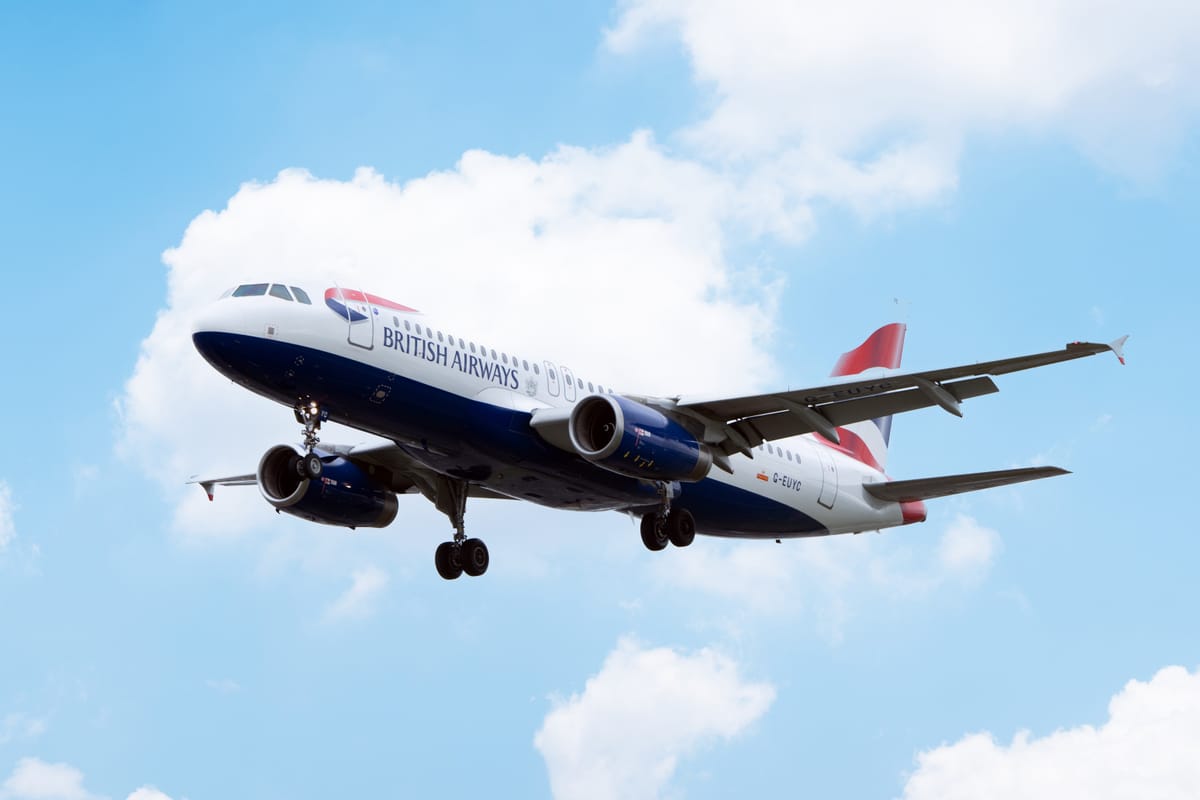
The Mayor of London has launched another appeal to ministers to reject current plans to add a third runway to Heathrow Airport – saying it would have a significant impact on noise pollution, air quality and the capital’s environment.
Sadiq Khan, a long-time opponent of the expansion, has laid out his opposition to the Draft Heathrow Expansion National Policy Statement (HENPS), an updated government framework which will guide planning and set assessment criteria for any new runway.
He says additional capacity will hurt local communities and “overwhelm” London’s transport networks unless funding is provided for rail, bus and cycling upgrades around the airport.
GMB union support for plans
However, the GMB Union, which represents members across a range of employers linked to Heathrow, told MPs yesterday that a third runway will offer “massive opportunities” for employment – especially among young Londoners – if it goes ahead.
Perry Phillips, Aviation Officer at GMB London Region, told the Commons Transport Committee on 2 September that they expect the expansion to lead to thousands of “well-paid, real-world wage jobs with pensions”.
“There is a case to say that the third runway will offer opportunities – massive opportunities – for thousands of jobs and apprenticeships,” Phillips said.
“There is an ongoing commitment from Heathrow that those jobs will be good, well paid unionised jobs with pensions – that’s our expectation.
“Part of our support for Heathrow expansion is well-paid, real-world wage jobs with pensions, with proper contracts of employment, not the casual hours or zero-hour contracts.”
The Draft HENPS says that the Northwest Runway scheme “is expected to generate up to 61,000 additional jobs in the local area by 2055” and that they expect “a significant contribution to local employment… skills and training opportunities” as part of the expansion.
Phillips suggested that his union will continue to hold ministers and officials to account on the guidance as the proposal moves forward.
“The benefits it describes cannot simply be assumed; they must be built in,” he warned.
However, the mayor has previously said that current government modelling is outdated and relies on evidence from over a decade ago.
'No evidence proposals compatible with credible path to Net Zero'
In a fresh attack on proponents of the expansion, the mayor said he is “deeply concerned about the potential adverse impacts of Heathrow expansion on air quality, noise pollution, our environment and the transport networks in the capital and beyond”.
“While aviation plays an important role in our economy and helps to keep us connected as a global city, any growth must not come at the expense of Londoners’ health or our environment,” he added in response to the draft HENPS.
“London is proud to be leading the way in tackling the climate crisis, but I see no evidence these proposals are compatible with a credible path to Net Zero.
“As we grapple with the sobering consequences of the climate emergency in the form of extreme heatwaves, drought and wildfires, the evidence suggests Heathrow expansion is a risk that we simply cannot afford to take.”
He claimed that “incredible strides” taken to improve air quality would be put in “peril” with a third runway, which will also increase noise pollution to “unacceptable levels”.
There is growing awareness of the health risks of ultrafine particles affecting communities under flight paths.
Sign-up for our free weekly newsletter - Salamander News in your inbox
Strain on transport network
Increased demand for flights would also place a strain on the roads and railways around the airport, he said, saying it will create a “gridlock” and may “force the taxpayer pick up a multi-billion-pound bill for the necessary public transport improvements, which are left undefined and unfunded in the current proposals”.
“I will continue to vehemently oppose these plans as I seek to build a fairer, safer, greener, more prosperous London for everyone,” he concluded.
City Hall was backed by the London Assembly Transport Committee, who echoed the Mayor’s concern over the capital’s transport network capacity.
“We are particularly worried about increased crowding and reduced reliability on the Piccadilly line and the creation of substantial new demand on the Elizabeth line,” Caroline Russell, the committee chair, said.
“Without the correct mitigations in place, expansion also risks exacerbating existing pressures on the road network, worsening the experience of local communities, and undermining efforts to encourage a shift to sustainable transport modes.
“These impacts will be felt most by the people living in and around Heathrow, should the expansion go ahead.
“The draft HENPS must therefore include measures to ensure there is no net increase in traffic as a result of expansion and set ambitious targets for reducing traffic in the area ahead of the expansion itself. We believe that expansion should not go ahead unless these reductions have been achieved.”
Last month Labour Assembly Member Leonie Cooper told the Local Democracy Reporting Service that the government should look to expanding regional airports outside of the capital instead of pushing on with increasing the capacity of five travel hubs in and around the city.
John Dickie, Chief Executive at BusinessLDN, an advocacy group which backs the expansion, told MPs that “serious regulatory oversight” would be needed from both City Hall and national government on air quality, climate impact and noise pollution changes from a third runway.
“There’s a great deal of regulatory and other intervention that can be done to make sure that the planes that fly into Heathrow are modern planes that emit less and which produce less noise,” he told the committee.
“There is also work on carbon .. getting the UK Sustainable Aviation Fuel (SAF) capacity up is a really important part that makes over the next decade of making sure those tests can be met.”
AEF - expansion not compatible with UK carbon budgets
However, the Aviation Environment Federation (AEF), the UK's leading NGO campaigning on aviation's impacts, describe multiple challenges to increased use of SAF.
"Sustainable" aviation fuels emit the same amount of carbon as kerosene, are in short supply and found to be open to double counting and carbon accounting fraud.
In 2024, the UK's annual emissions from international aviation went up, despite an increasing amount of SAF being used.
The AEF have provided analysis of the draft HENPS and also challenge the claim that expanding airports leads to economic growth.
They point out that business air travel has declined by 50% since 2013, and air travellers spend £41 bn more abroad that foreign travellers spend when visiting the UK.
The NGO argues that airport expansion around the UK is not compatible with meeting the UK's carbon budget, and the government's position depends on high risk assumptions about future decarbonisation technologies.
They note that the planning system treats each airport expansion as an individual case, and fails to assess the cumulative effect of airport expansion on carbon budgets.
Reporting by Kumail Jaffer, Local Democracy Reporter with additional reporting by Dorothy Stein.
Support local independent journalism from just £2 per month or leave a tip.