Luna Carmoon’s luminous Lewisham
BAFTA-nominated filmmaker Luna Carmoon explains Lewisham roots, hyperreal dreamscapes, and making films you can smell.
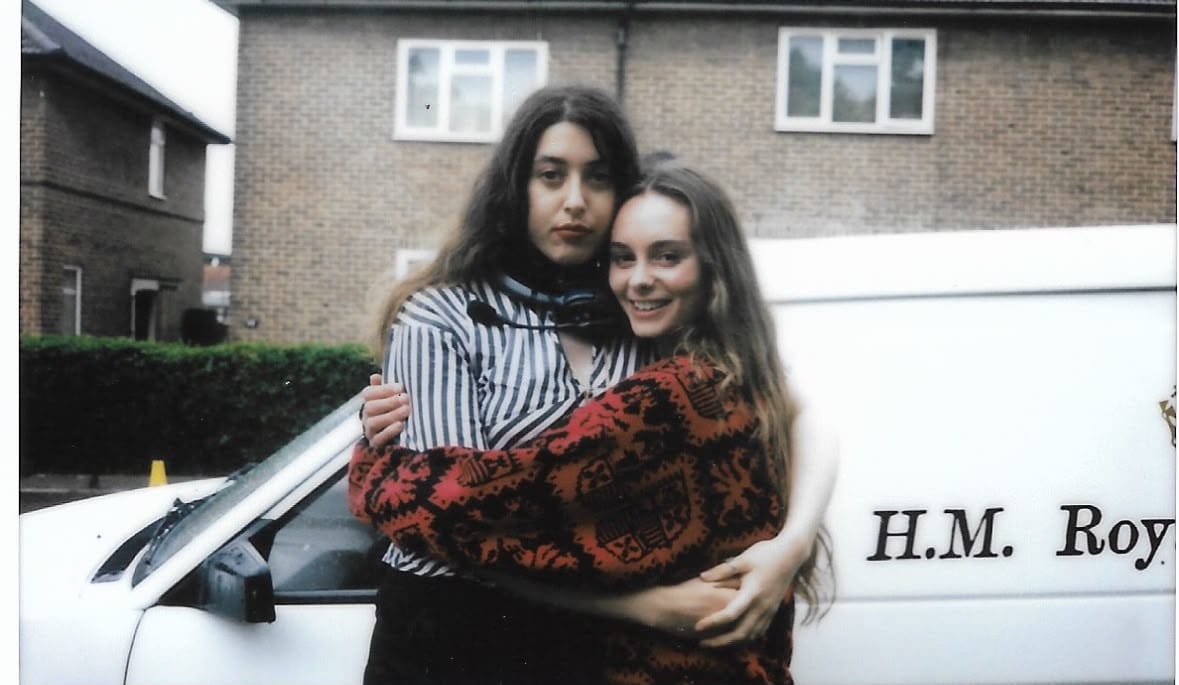
Luna Carmoon phones in from the shed in her garden, where she works and lives. “I always lie and say I'm going away to write, but the only place I can really write is in this shed in Downham,” she tells me.
Under 29-year-old Luna’s belt so far are two feature-length films: the BAFTA-nominated Hoard, and the upcoming To Make Ends Meat, starring Naomi Ackie and Alison Oliver.
Hoard, Luna’s debut, draws heavily on her upbringing in south London in a home run by four generations of women: Luna, her mother, much older sister and nan. “It's an interesting, dysfunctional, eccentric household,” she says. “It feels very normal (to live multi-generationally), and it would feel very sterile if I left the coop.”
This explains Luna’s deft handling of a wide range of syntaxes in her scripts (lifted from silent generation grandparents and millennial sister alike).
Similarly, she grew up appreciating the full gamut of what a screen can really offer, from film noir to Love Island, and her movies now defy genre.
Living in the shed is a font of inspiration, yes, but also a financial necessity. Luna is determined to leave this earth with artistic purity intact, which means no filler work such as vapid ads. “The things that you make are like the essence of you, you know, and not part of this sort of factory of sludge that is happening. Yeah, it comes at a sacrifice.”
Her break into film was a Creative England scheme - which no longer exists - for underrepresented talent in the UK. Without it, Luna would have never received funding for her first short, and without the short, funding for her first two features would have been even harder to secure.
Film is an expensive craft, and even filmmakers considered “DIY” will often have had a leg-up financially of hundreds or thousands to produce a breakout short or feature. This is no small part of why Luna’s voice as a filmmaker is so refreshing. The backdrop to Hoard protagonist Maria’s sexually tense coming-of-age story is the frank realities of working-class life in south-east London.
"Real Lewisham locals will know it's rough and ready and colourful," Luna says. She describes her youth as “skullduggery” with her best friend, who today is repeatedly reincarnated in her work. "We would be roller skating down Lewisham High Street at like 11 o'clock at night on a school night, getting locked into phone shops, skating in the Lidl, being told off."
In a time when the internet was less important, and the borough was less sanitized, other teenagers used to appear and disappear unprompted during the nights of Luna’s youth.
“You'd spend like two hours with them and never see them again. And then you'd meet another person, and you'd end up in a McDonald's with them, or end up in a park or a graveyard.”
Set in the 80s and 90s, Hoard is blissfully unmediated by mobiles, perhaps as a callback to those times. Characters wander, run into one another, show up uninvited at each other’s homes, vanish. They are entangled, painfully and beautifully, in coincidence and rapidly disappearing moments.
Luna recalls safehouses nearby growing up, and many young people in transition or with strange living situations. “There's a lot of phantoms of that time. I'm like, are they memories? Are they fever dreams?”
She relishes the fun-house effect of bringing old memories into focus. “Me and my best friend would always end up in Catford, and we would just sit opposite the Catford cat. I almost have real memories, just like a superhero film, that I'm just sitting on top of it with her...”
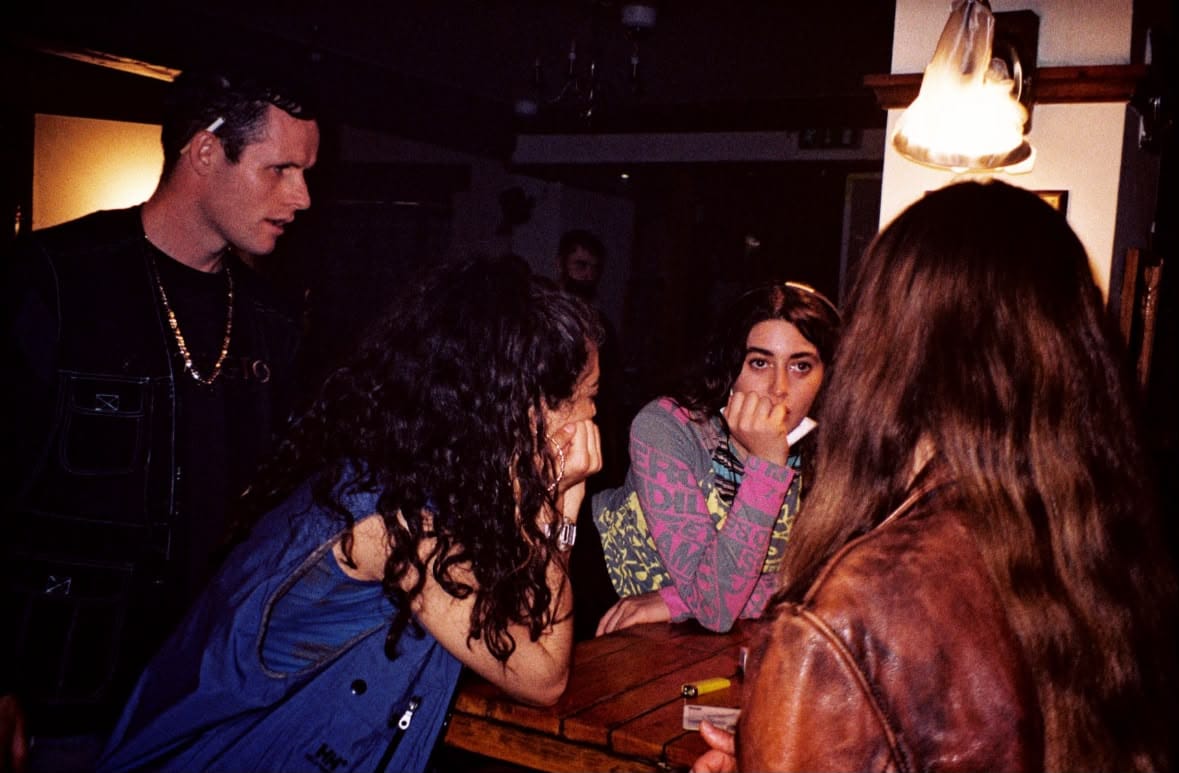
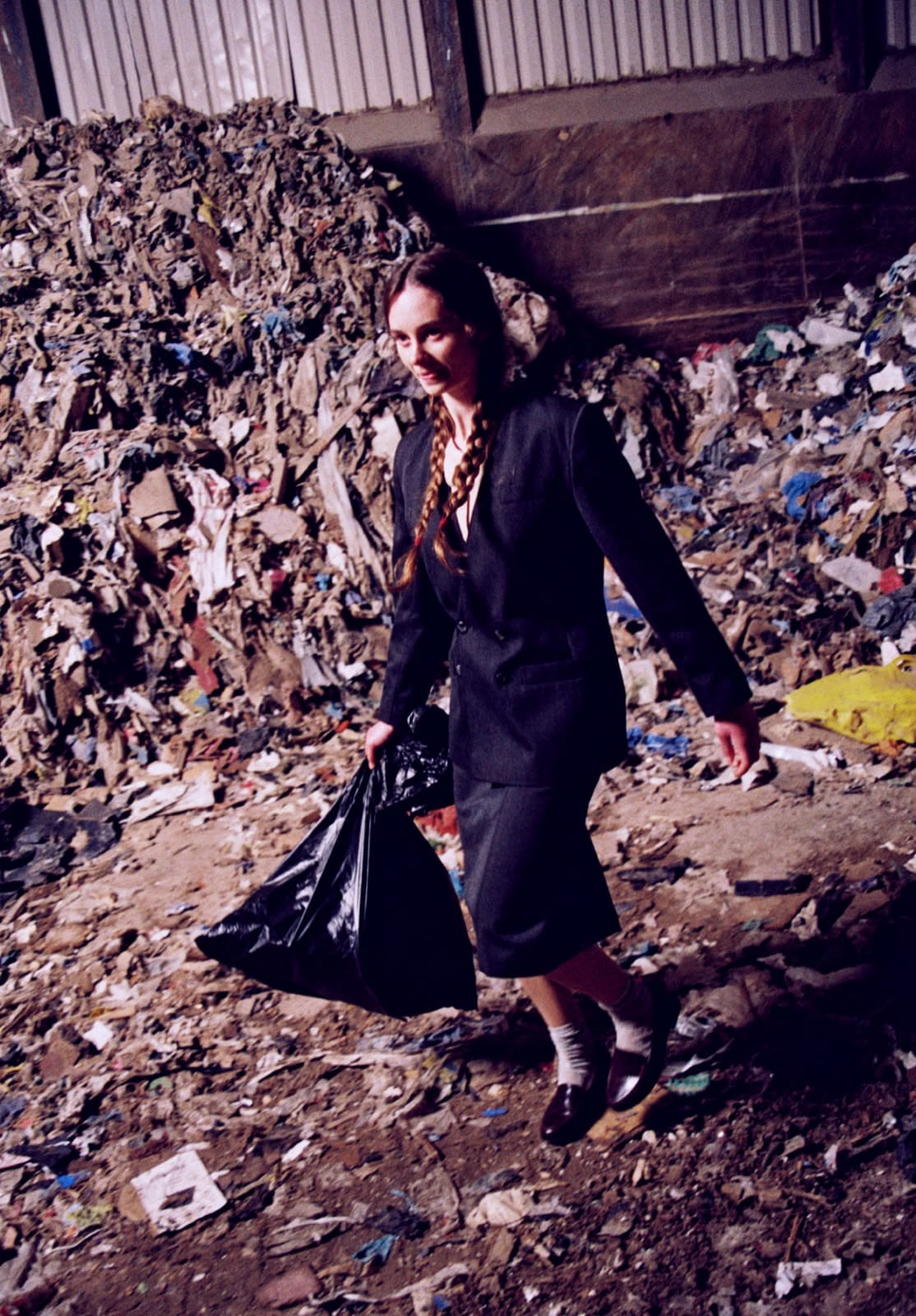
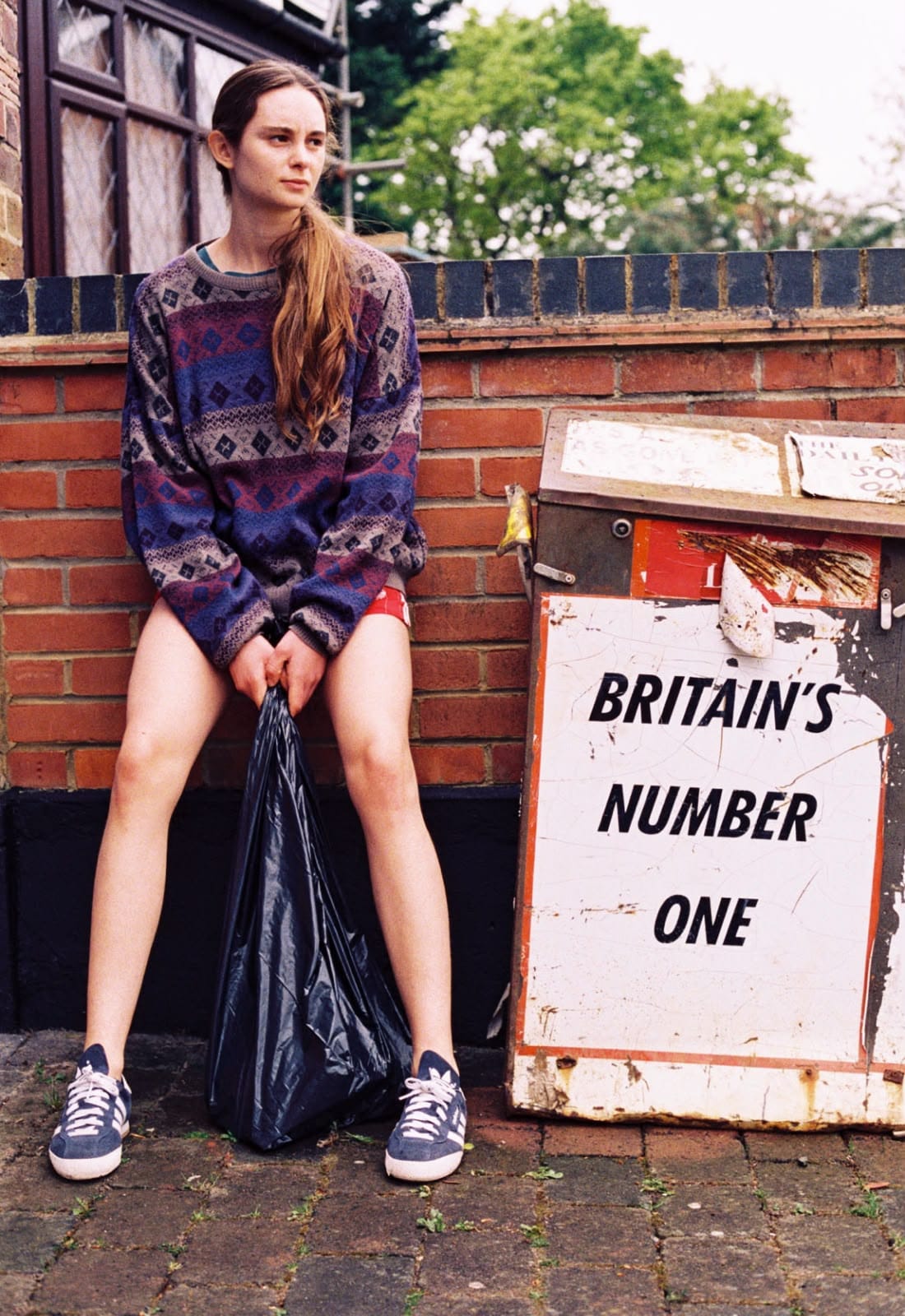
From left, Luna on set of Hoard, actor Saura Lightfoot Leon on set. Images: Luna Carmoon
Hoard explores the mystery of memory. The film is split in two: Maria’s upbringing as a child, in her hoarder mother’s home, and her life as an adolescent once she’s been put into foster care. She is repeatedly drawn into her past by moments that echo it.
“The more that I create and write, the more that I realize a lot of my work is really pulled from my memory, and memories as a concept and how we all experience them,” Luna says. “As interested as I was in triggers while writing Hoard, I was interested in shimmers, and those beautiful moments that transcend us back.”
For Luna, a local trigger? Ladywell Water Tower. With its funny green roof and staggered windows. Once her heart broke right under it. “This limerence that I was in with someone was dread, and we looked up, and I was like, ‘I'm in love, and my heart's about to be broken,’” she says.
“Whenever I see Ladywell Water Tower, I feel bad for younger Luna.”
A local ‘shimmer’? The bridge near Grove Park station, also featured in Hoard, and the surrounding streets, many named after the Knights of the Round Table. “On that bridge .. you could see the cemetery. And then on summer nights, when the sky would just sort of bleed into orange and bleed into all these colours .. it felt so magical,” Luna said.
Luna obsesses on time travel: how to quickly evoke a moment. “You smell something and you go, oh, that reminds me of laying on my grandparents' lino in 2005.”
In Hoard, the smells of Maria’s home are almost palpable, as if cartoony scent lines were wafting off the screen. As she delves deeper into a knot in her past, family and friends begin to notice that same smell on her, commenting that she “stinks.”
Smell may be the sense most linked to both memory and emotion, because it bypasses the "reasoning" portion of the brain. So how did a filmmaker fishing in memory’s shimmery pond harness such a strong anchor? In other words, how did Luna make the film smell?
Answer: for a film to smell, make the set smell. Luna doused the set of Hoard in perfume: namely Secretions Magnifiques by Etat Libre d’Orange.
This thing is no Daisy by Marc Jacobs. It is infamously controversial, described by its manufacturers as smelling of “blood, sweat, semen, saliva.” Its appeal is its polarisation: some people describe it as mysteriously sexy, salty and creamy with just a little bit of skank underneath to draw you in.
Others think it smells like old condoms and vomit. Psychically speaking, Hoard’s cast shared the strange atmosphere and contradictions of this smell every time they stepped on set, creating a shared olfactory imprint that translates beautifully on screen.
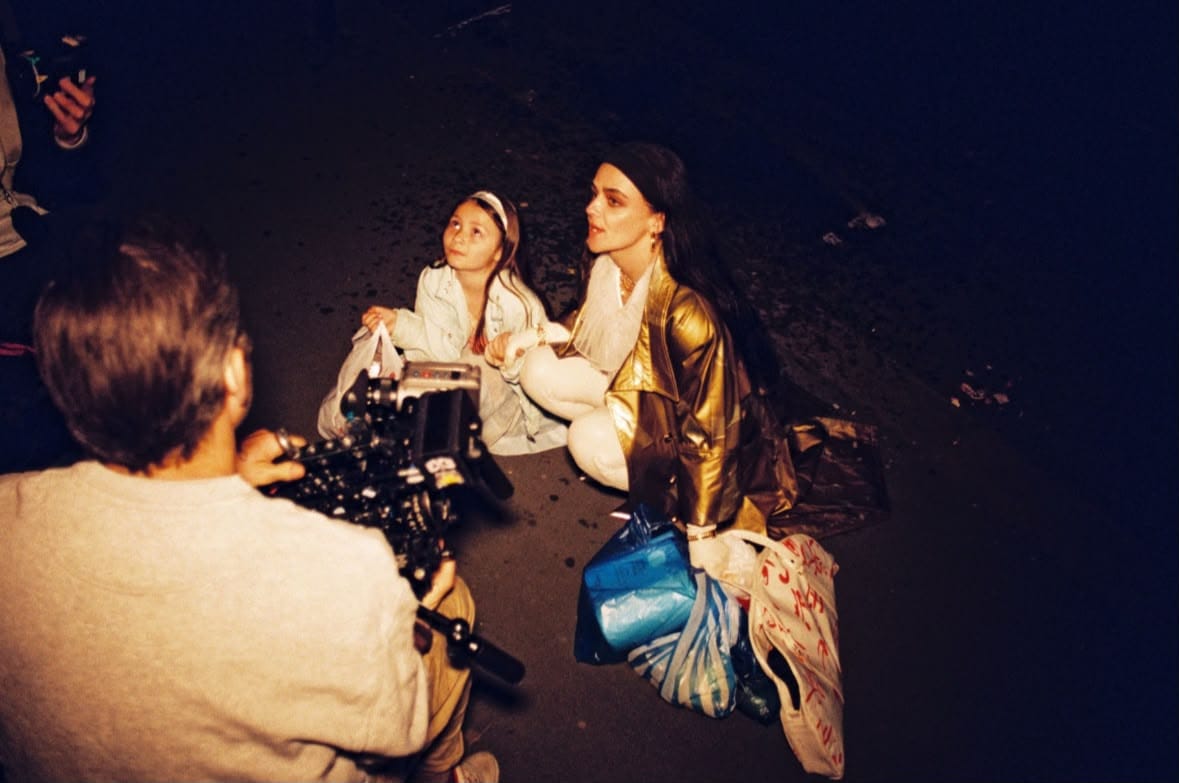
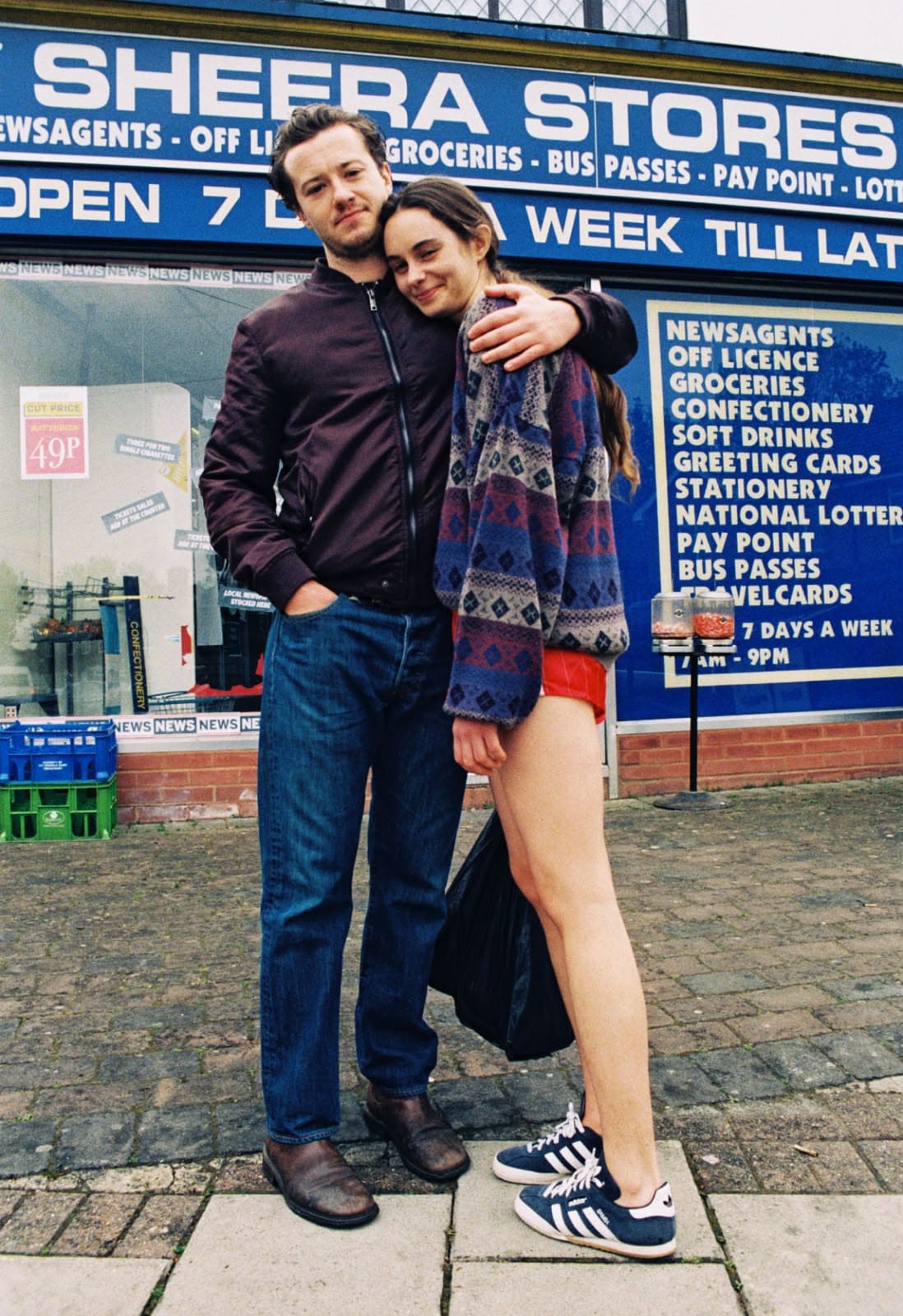
From left, Luna on set of Hoard, actors Lily-Beau Leach, playing younger Maria, Hayley Squires, playing her mother, Saura Lightfoot Leon with co-star Joseph Quinn. Images: Luna Carmoon
Pleased with the results of her experiment, Luna has ambitiously expanded her use of smell in her upcoming feature, To Make Ends Meat. But this time, the smell on set is not available for retail. Instead, Luna joined forces with a local perfume lab to create a smell which sounds, frankly speaking, really horrible. Of course, that’s not really the point.
The main notes in the smell of To Make Ends Meat, according to Luna, are tobacco, Brylcreem and blood, which evoke the film’s plot points and psychic atmosphere. “Someone told me it smelt like .. a cancerous dog dying in a pub .. and it also has something really enticing about it, which feels quite sexy. And then, there is a molecule in it that makes women feel very anxious.”
As a result, men and women respond differently to the scent on set, which ties into the gender imbalances Luna is exploring in the plot.
“I'm a very intuitive kind of person, and feeling is more what guides me, and I think smells are really like that,” Luna said. “They really guide you into finding someone attractive, or guide you into knowing to be (fearful of someone).”
Five of the men cast in the film have their wardrobes suffused in the scent on set, and will stink that way until the thing is wrapped. In addition to the symphony of stinky boys, the lovely Allison Oliver wears a different, secret scent.
Luna herself wears the presumably easier-to-stomach Animalique by Byredo, with notes of bergamot, suede, violet, and tobacco leaves, which she also wore to write the script. No one else on set is allowed to wear any scent at all.
“The energy and the atmosphere which these characters infuse the rest of the characters with, that is one of the many things that are unchanging about them that stays the same throughout the story,” Luna says, explaining why the men all wear the scent.
Luna became interested in harnessing scent during COVID, when it became a common thing to lose. Just as she was exposed to all kinds of media growing up, generational differences exposed her to different smells.
Her mother used to spritz classics, like Flower Bomb and Angel. Luna’s sister likes to smell like flowers; Luna herself, of woods and figs. Her nan, who has since passed, wore drugstore perfumes. Before dying, she said, “You'll smell me".
And we do, it’s so weird,” Luna says, “I can smell her sometimes, and I know that she's around, and I can feel her.”
While Luna sifts for gold in her own memory bank, the Lewisham she grew up in is developing rapidly. New high rises sprout overnight.
Like the rest of London, rents rise while small shops are increasingly replaced by chains, making everything sort of look like everything else.
Although she used to find gentrification demoralising, Luna doesn’t think it can change local spirit. “You can't stop the beans from smelling, and you can't stop the Lewisham people from making life colourful, and even if the 136 are floating, it's gonna be the wildest bus you're getting on in London for sure,” she said.
Down the line, she said Lewisham may become a different place entirely. “That's the nature of landscapes changing. It's happened since the dawn of time,” she continues. “But you know it's a magical place to have been from and where I've experienced most of my life now.”
Support local independent journalism from just £2 per month or leave a tip.