Shunya, the ethical Etsy alternative that started in Deptford
Inclusive Trade founder Rupa Ganguli dishes on textiles from Mumbai to Lewisham, tips for starting a business, and her new online platform.
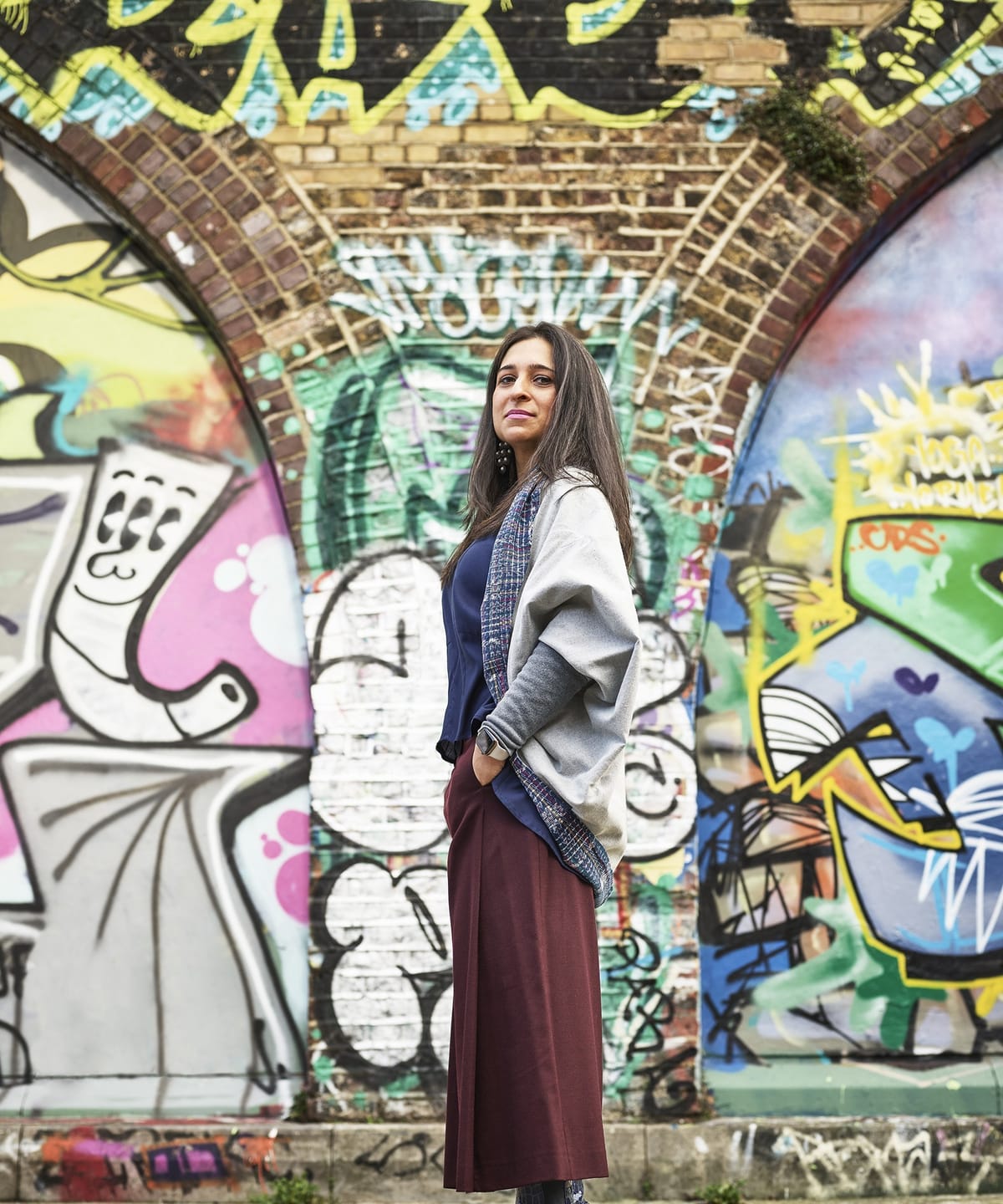
Entrepreneur Rupa Ganguli turned her first profit amidst the bustling wholesale fabric markets of Mumbai. With a modest investment, a teenage Ganguli designed clothing using the market’s fabric scraps. A 1997 newspaper clipping shows her at 17, grinning in flowing trousers, the fruits of her labour.
Ganguli followed this early spark of passion across half the globe, first to Delhi, then to Leeds on a university scholarship at the turn of the millennium to continue her studies in textiles. A placement in the fashion district brought Ganguli to New York, where she thought she’d settle. Ganguli returned to Leeds to hand in her thesis on the 10th of September, 2001, and decided not to return to New York when the 9/11 terror attack struck the following day.
Instead, Ganguli transferred to Geneva, working for the United Nations agency, the International Trade Centre, with a focus on sustainable development. From massive factories to tiny, family-run businesses, Ganguli took a bird's-eye view of the industry. She realised that true craftsmanship, the kind that most benefitted the United Nations’ Sustainable Development Goals, was being buried by fashion giants.
“There were so many hidden beautiful products and makers and artisans, all this rich heritage,” Ganguli said, “but they would end up just selling in the tourist market.” Smaller operations that favoured quality over quantity didn’t have the connections to industry that big brands had, despite an appetite in the market for artisanal products.
In 2011, Ganguli returned to the UK, this time to London, to take her first stab at changing the marketplace solo with Spinna Circle, a non-profit organisation aimed at connecting and mentoring women producing sustainable, artisanal textiles. Pop-up events connected artisans with buyers, and with one another.
“That led on to thinking, how do we sell these products? We really need a proper platform,” Ganguli said, “And that's when Inclusive Trade was born.”
Sign-up for our free weekly newsletter - Salamander News in your inbox
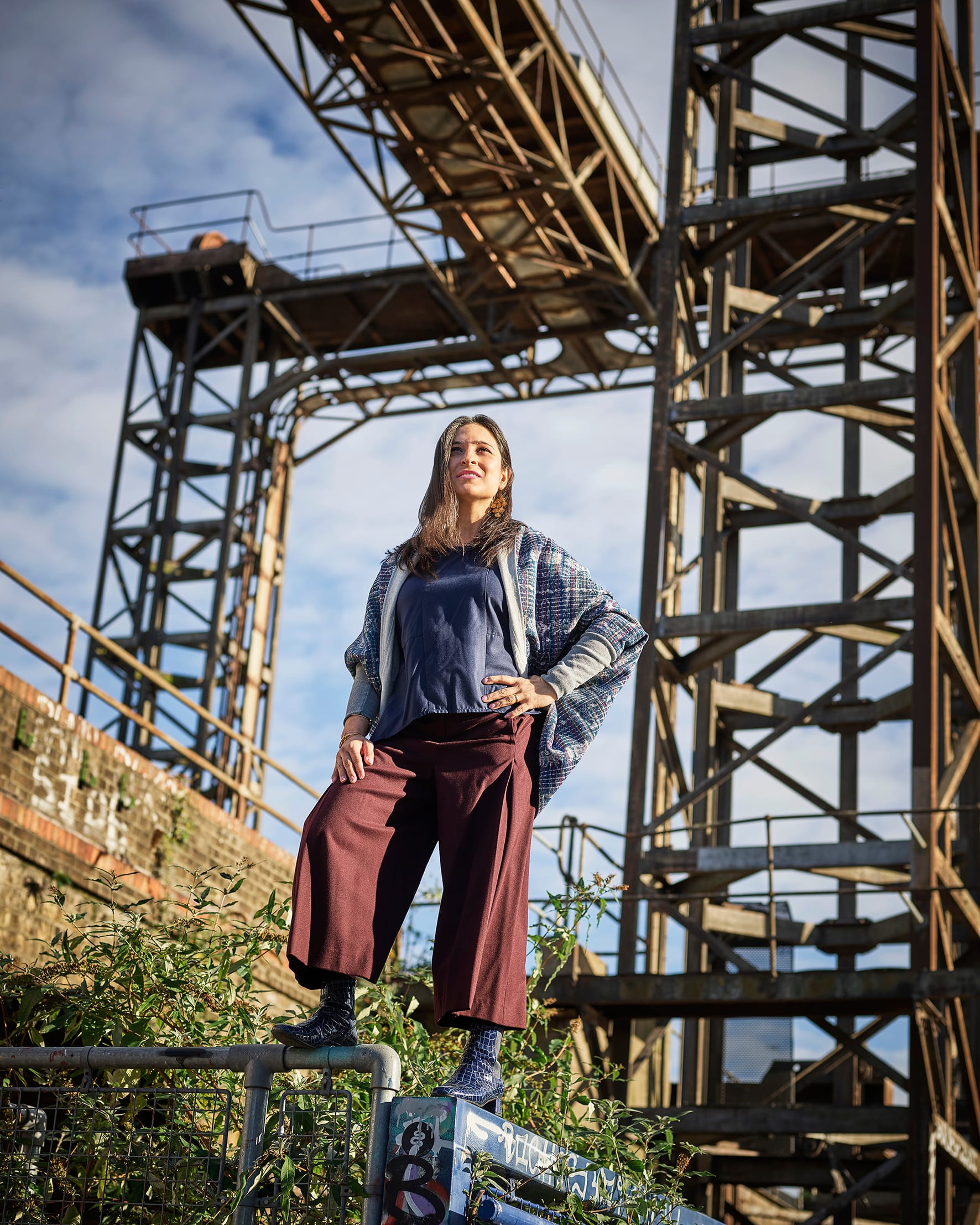
Inclusive Trade, Ganguli’s startup, is a marketplace and platform for small, ethical makers and artisans to showcase their products. Before anyone is featured on the platform, their output is carefully vetted based on whether or not they contribute to the United Nations’ Sustainable Development Goals (SDGs).
The SDGs include benchmarks for environmental protection, reducing poverty, gender equality, and more. Inclusive Trade looks for a variety of pre-existing certifications aligned with the SDGs, for example, a B-Corp certification which tests a business for social and environmental performance, transparency and legal accountability.
“The whole point is to try and bring this out as a platform where genuinely anything you purchase has a positive impact,” Ganguli said. Inclusive Trade also provides a “checklist” for stockists who don’t yet have certifications, to help them verify their impact. Ganguli explained that many artisans are already contributing to the SDGs, but haven’t had the time or resources to verify their work formally.
Initially, Inclusive Trade had a small shopfront in Deptford, near the creek, where positive impact textiles and products were sold. But when COVID swept the country into shutdown, Ganguli was forced to shutter the shop and take business online. What initially seemed like a curse became a blessing, as Ganguli realised that the online market had even more potential than a traditional shopfront.
On 11 March, Inclusive Trade is launching their digital marketplace, Shunya, which will both sell and showcase their roster of artisanal products. It aims to fill a yawning gap in the industry. Although there are many large online marketplaces, such as Amazon, where small businesses can sell products, most do not verify their sellers’ impact. Until recently, Etsy was the best place for handmade (and presumably sustainable) crafts. However, after loosening its verification rules in a bid for higher profits, the platform has become flooded with dropshippers selling low-quality, factory-made products.
On Shunya, each item for sale will have been carefully vetted for positive impact and quality by the Inclusive Trade team. This will include everything from clothing to skincare, jewellery, and home goods, with the platform set to keep adding more vendors. Although most people do want to buy ethically, the process of actually verifying if something is ethical can be an exhausting rabbit hole – with everything done for you, and all available in one place, Ganguli hopes to make the process easier.

Ganguli has been running Inclusive Trade since 2017, and today has three employees and an angel investor for the business. She was recognised as one of the UK’s 100 most inspiring female entrepreneurs for 2026, as part of Small Business Britain’s f #IAlso100 campaign, and in 2022, she was recognised as a Lewisham Sheroe, a local initiative that celebrates significant women in the community.
For entrepreneurs starting out, Ganguli had three key pieces of advice. First, try to see what government schemes you qualify for as soon as you start out, since many helpful programmes are only available in the early stages.
Second, do your research. Especially if you are struggling with imposter syndrome, “Staying on top of information makes you a lot more confident,” Ganguli said.
And last, find your network. Ganguli recommends being selective about the events you attend, to make sure they are relevant to your business, and to reach out to anyone you look up to in the industry as a potential mentor. Just a request for a coffee can make a big difference.
As the launch of Shunya approaches, Ganguli has big hopes that the platform will change the way we shop in the future. From Mumbai’s fabric markets to Lewisham doorsteps and the global digital marketplace, she still prides herself on an eye for quality.
Shunya is launching on 11 March: https://platform.inclusivetrade.com/
Please support independent community news. Subscribe or leave a tip.