Council ignores health risks in plans for rubber crumb pitch at Whitefoot Lane, Downham
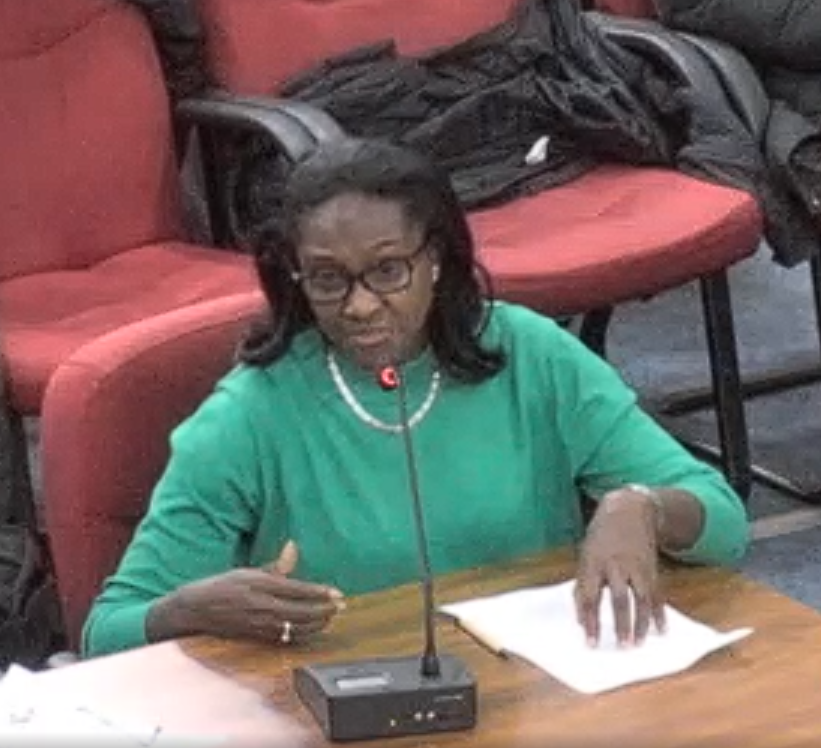
Cabinet member Sakina Sheikh presented officer advice on rubber crumb which ignores health risks to players and workers, in her answers at the full council meeting on 28 January.
Councillor Sheikh's responses to questions from the public and from a councillor made clear that the council is pressing on with its plans for a 3G artificial grass football pitch for Whitefoot Lane playing fields.
It also plans to transfer the lease for the playing fields out of the Local Education Authority, ending the hopes of the fields being regularly used by Lewisham schools or opened to the public.
Tim Oshodi, Downham Community Land Trust lead, and other residents have raised concerns about the risks to young players, workers and the environment, and called for the plans to be halted to allow a health impact assessment.
The playing fields include protected nature conservation areas and an ancient pond - the Green Woman Oasis.
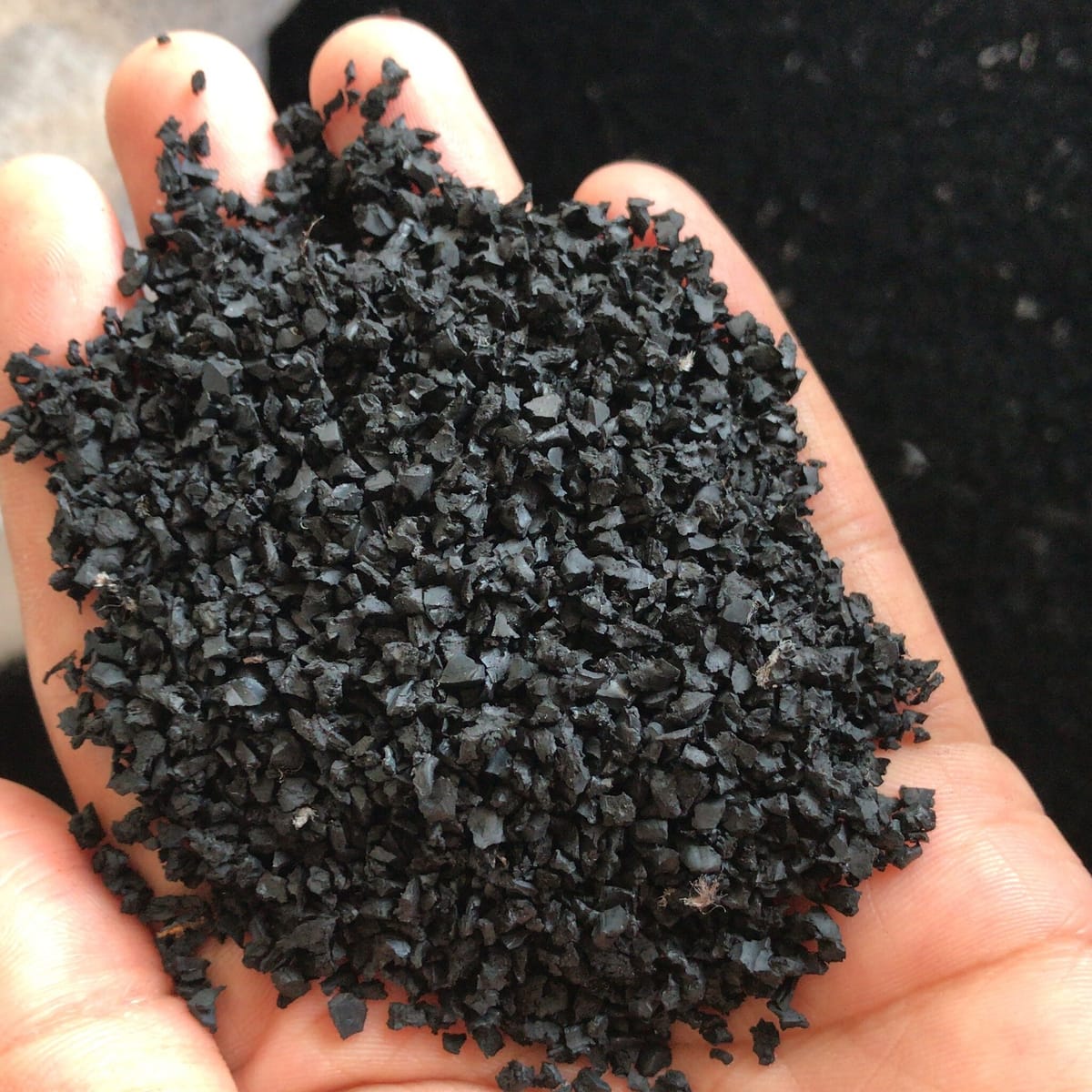
The EU has banned new rubber crumb football pitches from 2031, due to their danger to health and to the environment, and rubber crumb pitches are being phased out across the EU and in Northern Ireland.
Green opposition councillor Hau-Yu Tam asked a members' question before the full council meeting on 28 January, pointing out that rubber crumb is an "unsafe material that is likely to put biodiversity and public health at risk" and asking whether the council has considered safe alternatives.
Councillor Sheikh responded, saying that no they hadn't, but council officers were working closely with the Football Foundation and specialist advisors to mitigate any "potential environmental impacts."
She continued "SBR rubber crumb remains the current industry standard".
This is only true of the industry in England, Wales and Scotland; across Europe and in Northern Ireland they are in the middle of the transition to alternative fillers.
Support independent, local journalism. Become a supporter or leave a tip.
As Professor Andrew Watterson of Stirling University has pointed out, the artificial football pitch industry in England, Wales and Scotland is profiting from using rubber crumb filler and will not initiate change until forced by regulation.
He notes "too much reliance has been placed on industry sources for hazard and risk assessments in the past" and that since Brexit, the UK's environmental regulation of risks of chemicals has fallen far behind the EU's.
Sheikh said that the safe alternatives "do not meet the Football Foundation's performance, durability and funding criteria".
Artificial football pitches using organic alternatives to rubber crumb have been installed in Glasgow and are being installed across Europe.
Sheikh described the "containment measures" of boarding, boot-cleaning and special drainage systems which follows the European standards of 2020.
However, three years later, the EU adopted its comprehensive ban, with an eight year transition period.
The containment measures raise countless questions, including a failure to consider the full life-cycle of rubber crumb, but appear to be an attempt to reassure the public that something is being done.
Significantly, they fail to address the health risk to workers - who install and maintain the pitches - and to players, most of whom are children or young people.
Downham GP Helen Tattersfield told Salamander that the planned rubber crumb football pitch risks serious harm to the health of young players.
Due to changes in the council's constitution, and an unusually high number of questions and supplementary questions from the ruling Labour group, this section of the meeting timed out before the two opposition councillors had asked supplementary questions on their second questions.
Councillor Tam was not permitted to ask her supplementary question.
'Privatisation of green space'
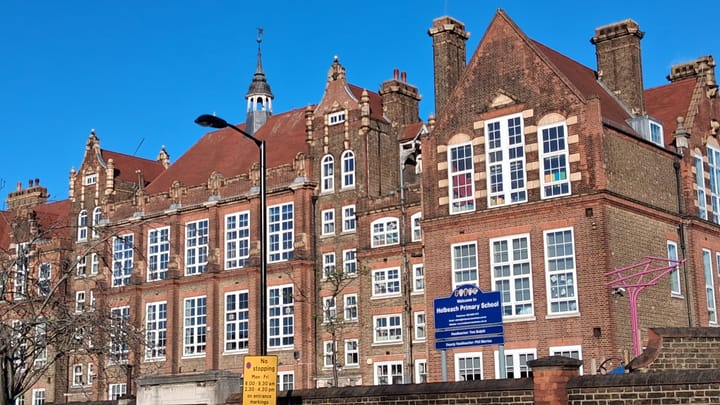
Related concerns have been raised about the council's plan to transfer the lease for the playing fields to Bonus Pastor Catholic College, which is part of St Benedict Catholic Academy Trust.
The Academy trust is based in Croydon and is part of the Archdiocese of Southwark which stretches across south east London.
Tim Oshodi has described the transfer as a "privatisation of green space, which was assigned for the benefit of all Downham schools" in his objection to the plans.
During public questions, local resident and ex-Labour councillor Alan Hall asked about the council's budget for the new rubber crumb playing fields.
Sheikh confirmed that the council was contributing £200,000 to the capital build of the 3G football pitch, even though they plan to transfer the land to the academy trust.
They had budgeted nothing for running costs, since these would be picked up by the school.
Hall then asked in his supplementary question whether Bonus Pastor school had the resources to accept any risks and potential costs.
Councillor Sheikh did not address this, but in a possible acknowledgment of environmental and health risks, said that she has asked council officers to come back with more information about materials used on the sports pitch.
She confirmed that the decision to transfer the lease has now gone to the Secretary of State for Education, Bridget Phillipson, for approval.
The council's justification for transferring the site to the academy is "all Lewisham schools not wanting to use the playing fields".
But after Salamander raised an FOI, the council confirmed that Lewisham local authority schools have not been asked if they want to use site as their playing fields.
It is unclear how Bonus Pastor has managed to stake its claim for exclusive use of the site as its playing fields, in one of Lewisham's most deprived boroughs.
Updated 3 February 18.15 to clarify that decision has gone to Secretary of State for Education.
Sign-up for our free weekly newsletter - Salamander News in your inbox