London mayor launches clean rivers and waterways plan
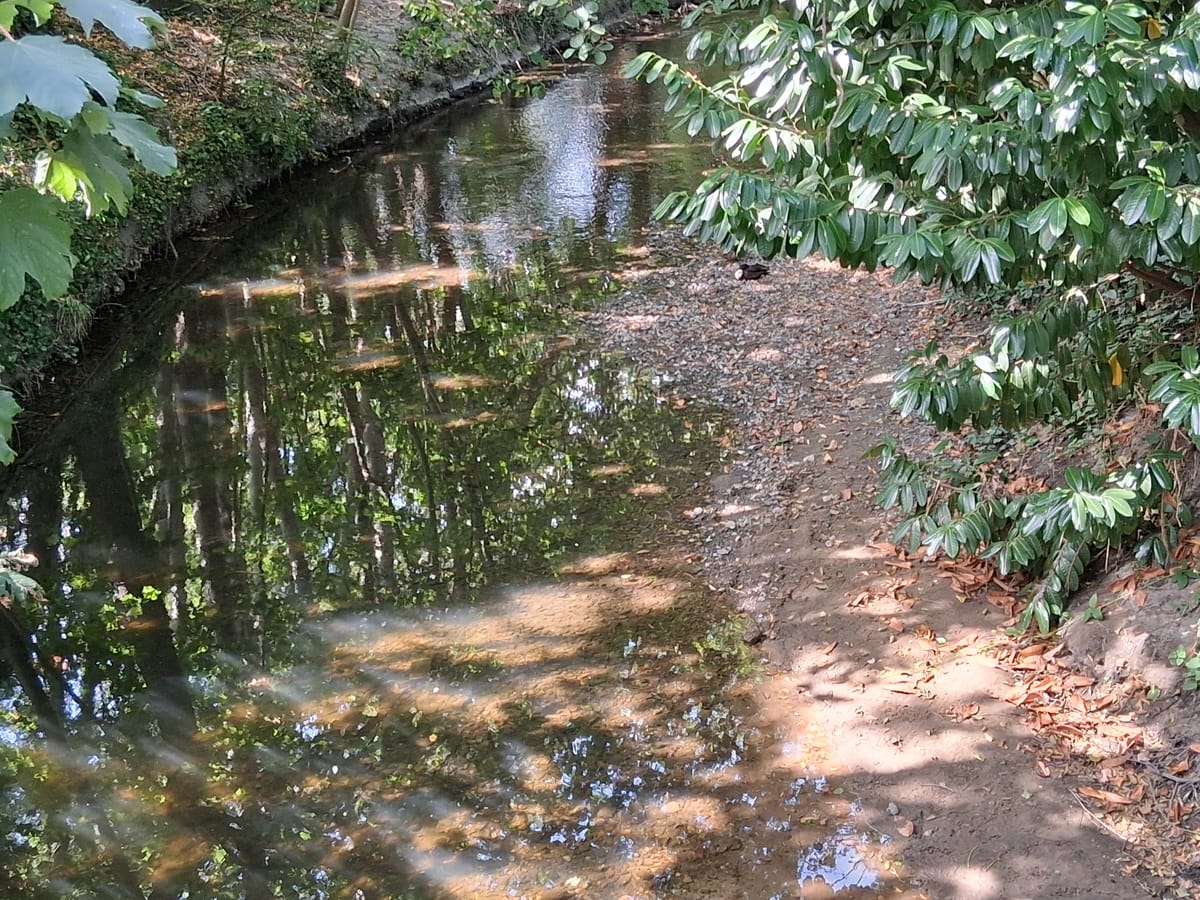
The River Ravensbourne is one of ten strategic locations that will be improved under the London Clean Rivers and Waterways plan.
Sadiq Khan blamed “decades of neglect” from water firms and Londoners for the state of the capital’s waterways.
The Mayor of London named Thames Water as one of the key culprits for dumping sewage into the city’s rivers, but said they had recognised the consequences and have subsequently agreed to commit £1.7bn over the next five years to depolluting the water.
Khan was speaking as he launched his 10-year Clean Rivers and Waterways plan aimed at transforming London’s “blue spaces” into swimmable areas where wildlife thrives.
The strategy will start by focusing on 10 locations across different parts of the city, which include the River Ravensbourne which runs through Croydon, Bromley and Lewisham.
- Pymmes Brook, North London
- Salmons Brook, North London
- Upper Lea Valley, North London / Lower Lea Valley and Royal Docks, East London
- Lower Roding, North East London
- Grand Union Canal, North West London
- Lower Crane Valley, West London
- River Brent, West London
- Yeading Brook, West London
- River Ravensbourne, South East London
- River Wandle, South London
City Hall pledged another £2.7m to the plan today on top of £13.5m already promised, while various partners, including Thames Water, will provide most of the funding to the tune of £1.8bn.
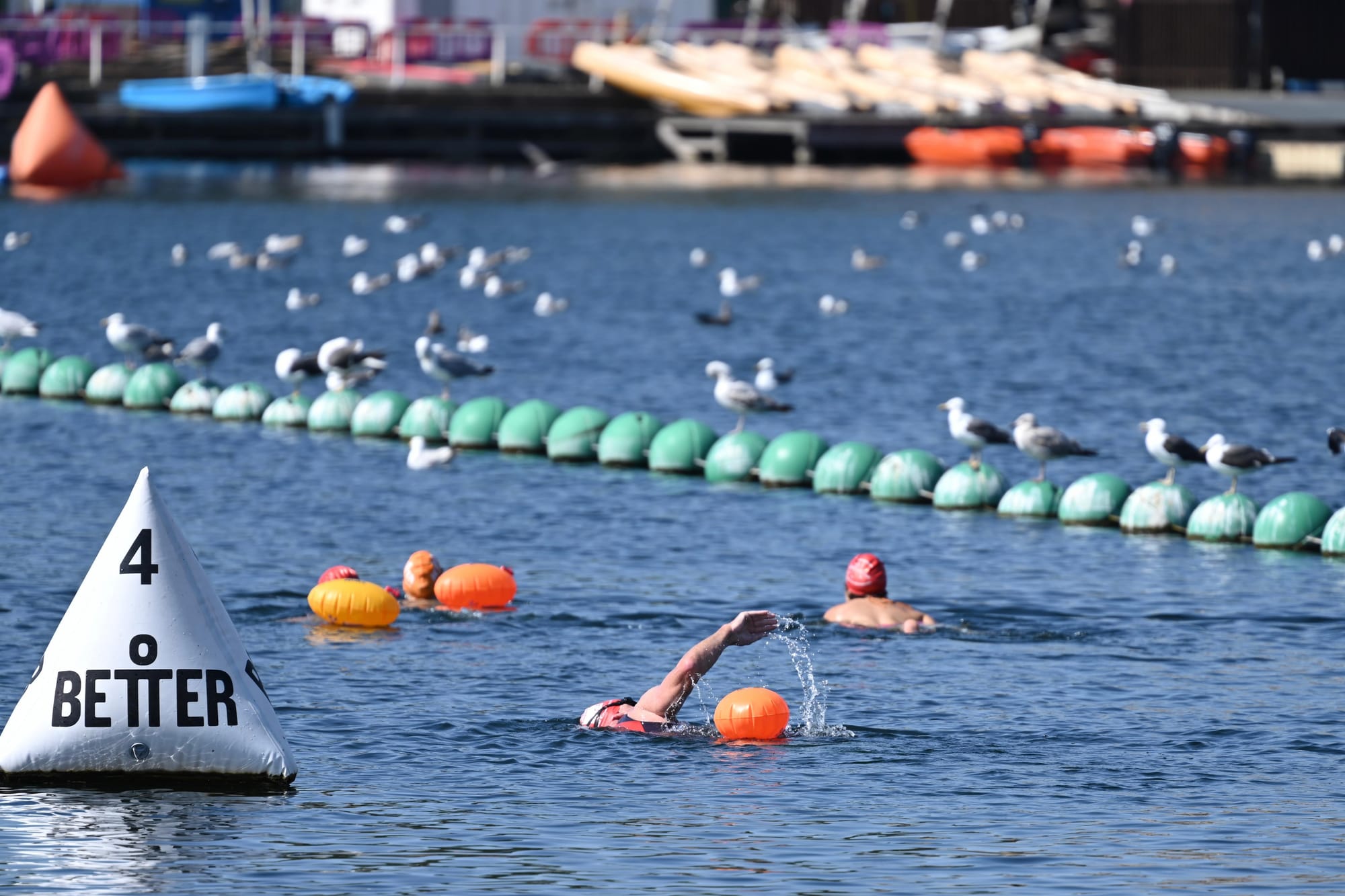
“This the most ambitious plan to clean up rivers and waterways across the globe,” the Mayor of London told the Local Democracy Reporting Service (LDRS) at the launch of the plan at the West Reservoir in Hackney, which was awarded £700,000 in 2022 for various upgrades and now offers open water swimming, sailing and kayaking.
“We as a city have 600 km of rivers and waterways. But there’s been decades of neglect and pollution which has led to local communities not having access to blue spaces, and it’s also led to the habitats being damaged so there’s less wildlife.
“When I first ran to be mayor in 2016, I was told it would take almost 200 years to clean up the air in London. We did it in nine.
“What we’ve set out to do with this plan is to reverse the decline in our rivers, but also work with other partners to reduce pollution, revive nature, and to revitalise and restore access for local communities.
“In terms of water [companies] who are responsible to a large extent for sewage discharge, misconnections in pipes and homes and so forth – they are going to be partners in this endeavour.
“This is water firms recognising the consequences of their inaction and their neglect. In 2023 we had five times as much sewage discharge than in 2022 – that’s unacceptable.
“We’ve got these misconnections in people’s pipes which means sewage is going into rivers. That can’t be right.
Sign-up for our free weekly newsletter - Salamander News in your inbox
“And so Thames Water have done a couple of things which I support. One is investing in cleaning up our rivers and waterways but also the Thames Tideway Tunnel is a remarkable feat of engineering. They will take away around 95% of the storm overflow that goes into our sewers which is really important and hopefully that will lead to less sewage discharge.
“But they have got to recognise one of the reasons we’re having to clean up our river and revive nature is because of their actions over the previous decades.
“I’m pleased that they’ve been around the table working really collegiately with us over the last year to come up with this Clean Rivers and Waterways plan.”
The mayor also pledged to work with local authorities and community groups to ensure waterways stay clean after being depolluted – though he warned that some Londoners need to change their attitude towards blue spaces.
He added: “One of the reasons why we’ve had the neglect and pollution is our behaviour as human beings.
“We’ve dewilded our city, we’ve not behaved as good custodians of these rivers.
“We’ve got to rewire our own brains in terms of thinking about these blue spaces like we did about green spaces as well.
“I’m really proud that London was the first global city to be a national park city that brought with it responsibilities. We’ve invested a huge sum of money in improving what’s called green infrastructure. We need to do the same with blue infrastructure.
“The beauty of our plan today is that by allowing and encouraging and making it easy for local residents to access this blue space, they have ownership. It’s their blue space, which means they’ll look after it more.
“We’ve got to think about good design, making sure there are bins available, making sure there are benches available, making sure there is signage available.
“It’s a win-win because it means that Londoners get to enjoy these great assets, but they also take responsibility for these assets as well.”
He said councils like Hackney “have been great working with us” adding that they “deserve credit”.
Khan said: “Different councils, different community organisations are involved, and the lead partner in charge of each action is different. It’s not all City Hall or all councils. That will mean that each of us can hold each other to account. Those checks and balances are really important.”
Plans for the Ravensbourne
The announcement outlined plans for the Ravensbourne "restoring habitats and improving access along the river, restoring sections to of the river its natural state to reduce flood risk and improve biodiversity.”
It seems that detailed plans for the river as its runs through Ladywell Fields have been already prepared by the London-wide charity Thames 21.
Thames 21 will be presenting their plans alongside Ladywell Fields User Group, who will be launching their own Nature Recovery Plan for Ladywell Fields at a joint event on Saturday.
The Ladywell Project Launch event is on Saturday 1 August from 10am to 1pm at Fields Café (near Ladywell station).
Reporting by Local Democracy Reporter Kumail Jaffer with additional reporting from Mark Morris.