The Swiss women elders who changed the course of climate law: here's how
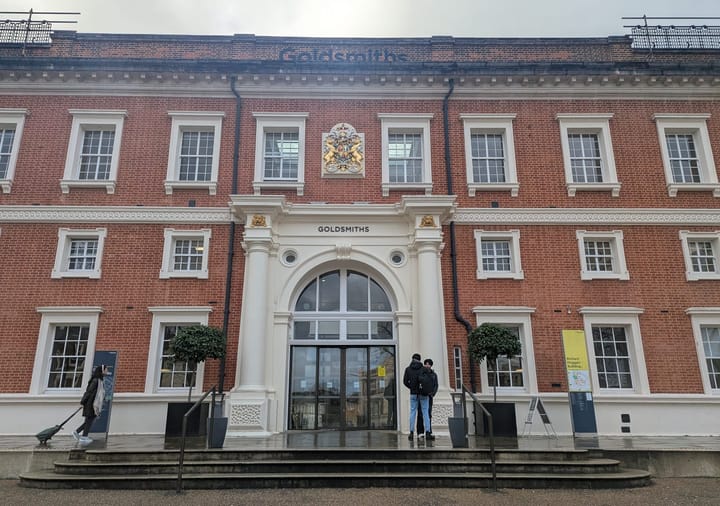
The KlimaSeniorinnen stopped off at Goldsmiths University with a screening of their film Trop Chaud - Beat the Heat - which tells the story of their journey to the European Court of Human Rights in Strasbourg.
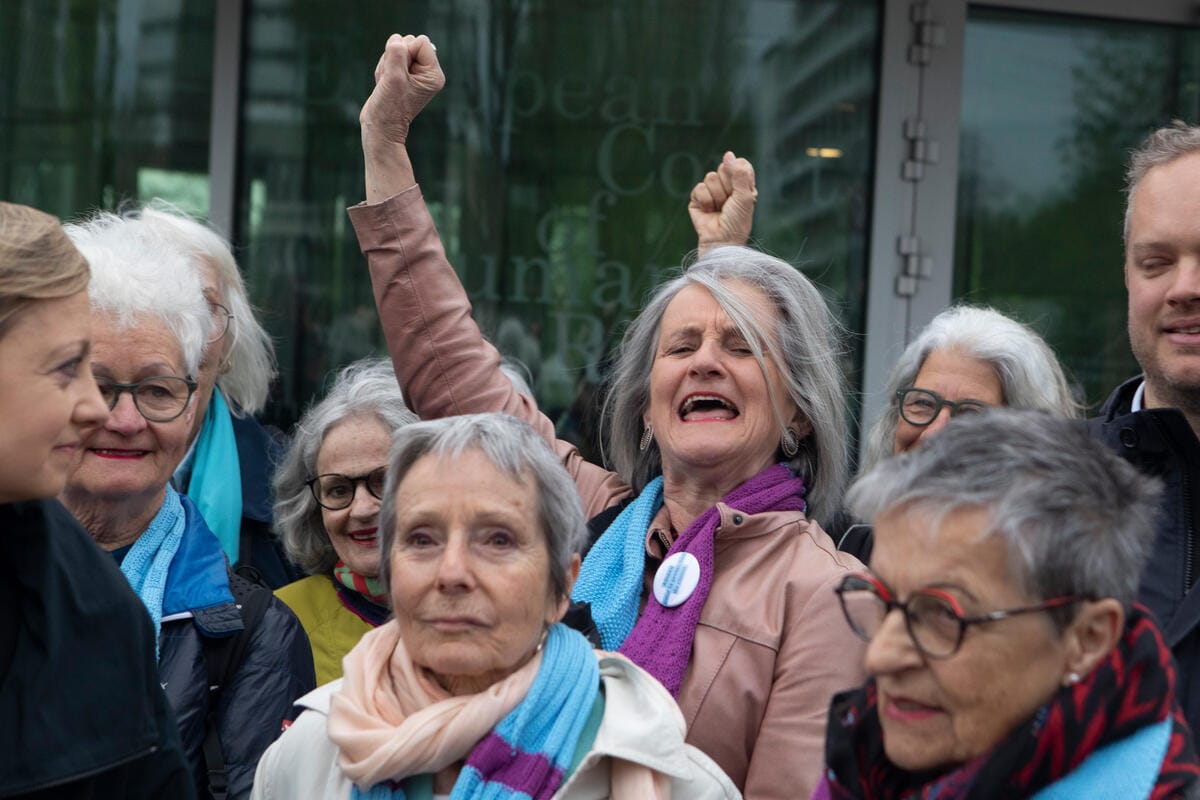
The KlimaSeniorinnen are a collective of senior Swiss women who achieved a landmark ruling at the European Court of Human Rights (ECHR) in Strasbourg in April 2024.
For the first time, climate protection was recognised as a human right.
The women's momentous achievement has opened up the field of climate litigation with new cases from campaigners in different countries immediately following in their wake.
Why older people and why women?
The Swiss women explain that they are acutely aware of the impacts of climate breakdown on younger generations.
As lifelong campaigners, they situate their legal action within a wider movement of international solidarity across generations, and they collaborated with a group of young Portuguese climate activists who brought their own case to the ECHR at the same time.
Although the Portuguese case Duarte Agostinho and Others v. Portugal and Others was unsuccessful, the learnings from their hearing and from the women's own successful case, have been seized on by environmental lawyers.
The Swiss women's legal case, carefully honed by their legal counsel Cordelia Bähr, turned on the effect of extreme heat on a defined group.
Europe is heating faster than any other continent due to climate change, and older people are one of the groups most vulnerable to extreme heat.
For reasons still unexplained, older women are more at risk of dying due to extreme heat than older men.
Sign-up for our free weekly newsletter - Salamander News in your inbox
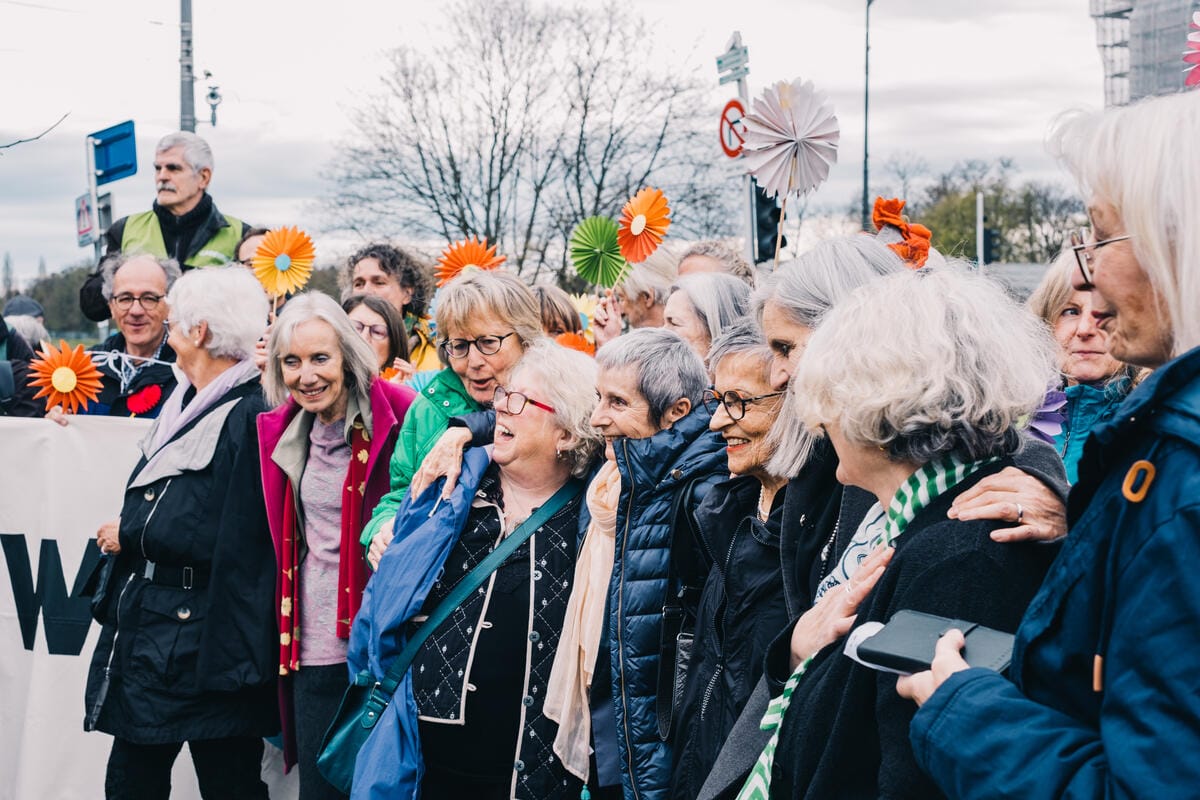
The film, directed by Benjamin Weiss, tells how the collective formed to take action "because everything we hold dear is at stake". The group grew to over 2,500 women.
Some women describe how they were radicalised by fighting for the vote in the 1960s and 1970s. Switzerland was an astonishing outlier in Europe where women did not gain the right to vote in federal elections until 1971, while in some Swiss cantons enfranchisement came even later.
Many of the KlimaSeniorinnen have been involved in the environmental movement all of their lives and are witness to the deepening climate crisis.
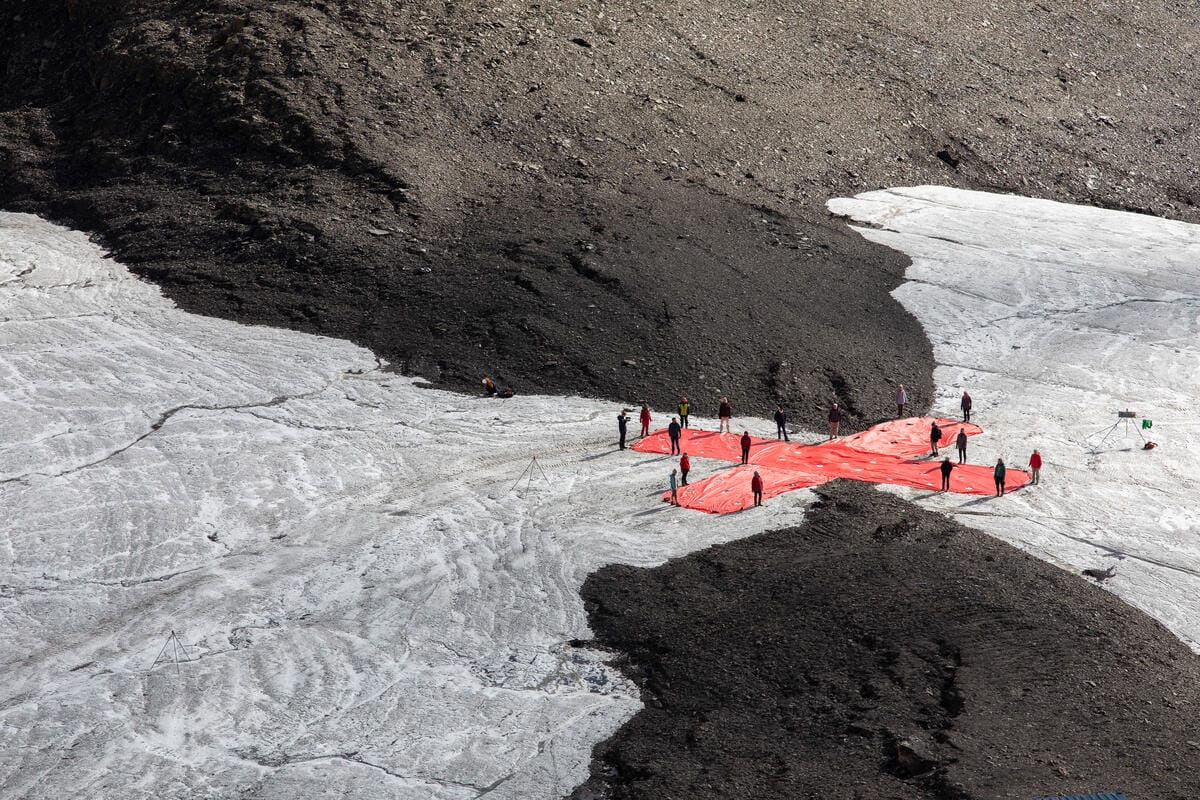
The film follows two women climbing in the alps and their raw grief at the latest glacier melt and collapse, a stark illustration of the irreversible impacts of climate change in Switzerland.
The group acknowledge the political barriers to their campaigning. "On the level of politics, there's not much you can affect, it's a source of constant frustration."
They channelled their energy into legal action. With a shared conviction that it is "not up to politics to throw away our future," they took the Swiss government to court.
Salamander is part of global journalism collaboration Covering Climate Now. Support our work from £2 per month or leave a tip.
They were following in the wake of the groundbreaking Urgenda judgment at the Dutch supreme court in 2015. This ruled that the Dutch government had a duty to reduce emissions in order protect its citizens' human rights in the face of climate change.
Bähr explains how in Switzerland, they needed to identify a specific breach. The case she drew up argued that "the women's very existence is threatened by climate change" and that the Swiss government had an obligation to protect its citizens.
Bähr filed a collective complaint on the women's behalf. The group went on to fight legal battles against the government for over eight years, progressing through three national courts.
They describe how at each hearing, their case was dismissed without the court seeking climate facts and science.
As momentum grew, Greenpeace Switzerland sought legal assistance. Bähr says "I had to take my ego out of it" as she collaborated with the team of human rights and environmental law experts.

The film follows the women piling onto the train and arriving in Strasbourg for the ECHR hearing of March 2023, a nail-biting occasion.
The court rises as 17 judges in black robes and white collars file in. Lead barrister Jessica Simor is given 30 minutes to make her case.
Simor argues: "Switzerland has violated the applicants' rights under the convention and that the respondent must do everything in its power to do its share ..
"If a country as rich and technically advanced as Switzerland will not do its share, what hope is there that others will?"
The Swiss government's case was that its action (or inaction) on climate emissions was a political and democratic matter, which did not fall within the scope of the ECHR.
The court took over a year to make its decision and in April 2024, the judges ruled that Switzerland had violated the applicants' human rights under the convention.
The ruling states that climate change exists, it poses a significant threat to the applicants and is a violation of their human rights – the right to a liveable climate.
It continues, stating that the Swiss government must do everything in its power to do its share, requiring a legislative and policy-driven approach.
Sign-up for our free weekly newsletter - Salamander News in your inbox
Trop Chaud / Beat the heat (trailer). Credit: Trop Chaud/MattoGrosso Production
The backlash, ECHR judges called 'activists'
In Switzerland, there was an immediate backlash from the government which advised parliament not to implement the ruling.
The women point out the links between Swiss politicians and the oil lobby.
Albert Rösti is a leading Swiss politician who founded the movement Action for a Sensible Energy Policy Switzerland (AVES) in May 2014. He was president of Swissoil, the Swiss Association of fuel traders until 2022 when he was elected to the Federal Council.
Widely known among environmentalists as "Ölbert" (Öl is German for oil), he continues to have close links with lobbyists.
Georg Klinger, environmental scientist, organic farmer and climate campaigner with Greenpeace Switzerland held a key (supporting) role throughout the women's campaign and points out: "The Swiss government called the 17 judges 'activists'".
"The mainstream doesn't like it when old ladies come in and shake up the status qu0," the women say. "And there's some narcissistic hurt, [the Swiss] think we're the best in the world".
They point out that if the court judgment is ignored, the damage will go far beyond their case, undermining the principles of the ECHR: democracy, the rule of law and human rights.
The landmark ruling recognising climate within human rights law applies to all members of the ECHR, including the UK.
The KlimaSeniorinnen European tour which brought the women to Goldsmiths in October, aims to build support for their next step.
Their case is being reviewed by the Committee of Ministers, which oversees whether ECHR judgments are being executed and implemented – part of the Council of Europe and nothing to do with the EU.
The Committee's decision is expected in December and the campaigners believe that the support that they are building from civil society across Europe will play a role in that decision.
Elizabeth Stern told Salamander about the women's gruelling schedule: "We are about eight people going on this tour, always two and two, and we have been already in Romania, we have been in Norway, we have been in Sweden, we have been in France, in Luxembourg, in Belgium.
"Now two are just on the way back from Spain, and two are about to go to the Czech Republic and I was in Hamburg, in Germany, and in Strasbourg, and now here in London."
When I suggested that must be tough, Stern brushed it off. "We had planned it long before and we knew it was going to be tough, so no problem."
She explained how the group's legal success has opened up climate law. "Many groups are already using [the ruling] ..
"Even just six months after our ruling, there were 12 cases that referred to our ruling .. specifically to Article 8, which is interesting."
Article 8 of the European Convention on Human Rights is the the right to private and family life, essentially the right to exist.
The court ruled that Switzerland had violated Article 8 by failing to act on climate change.
"And there are many more cases that refer back to what the court has said, what the judges have said in our case," Stern said.
"Much more successful than in Switzerland .. the moment and the politicians in Switzerland are not a good combination."
But the are women fighting on. "In the depths of despair, the legal route gives us hope when other routes haven’t worked .."
Salamander is part of global journalism collaboration Covering Climate Now. Support our work from £2 per month or leave a tip.

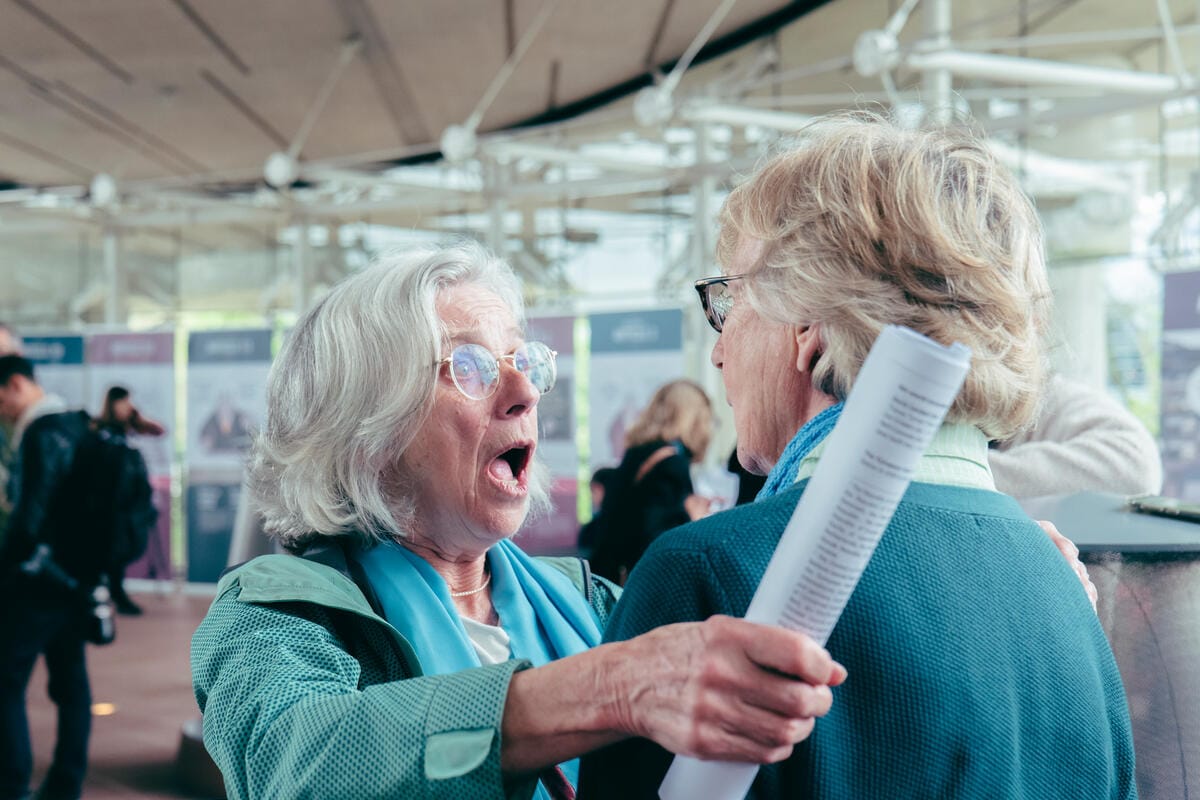

The women react to the verdict at the ECHR. Images: Trop Chaud/MattoGrosso Production