Biodiversity net loss at Belvedere: who is The Environment Bank for?
Almost seven years after waste firm Cory paid £2m to The Environment Bank as compensation for destruction of nature, work hasn't begun on four replacement habitats.
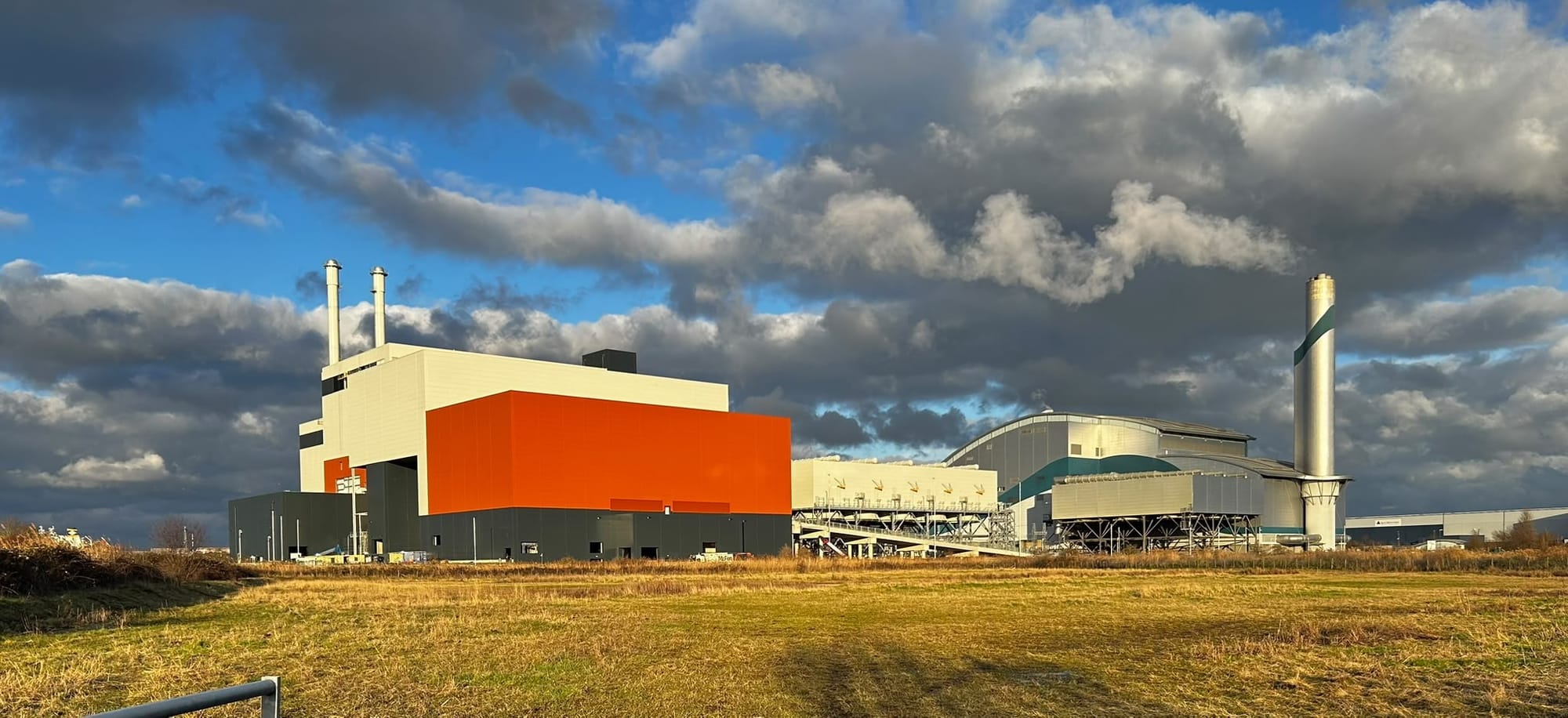
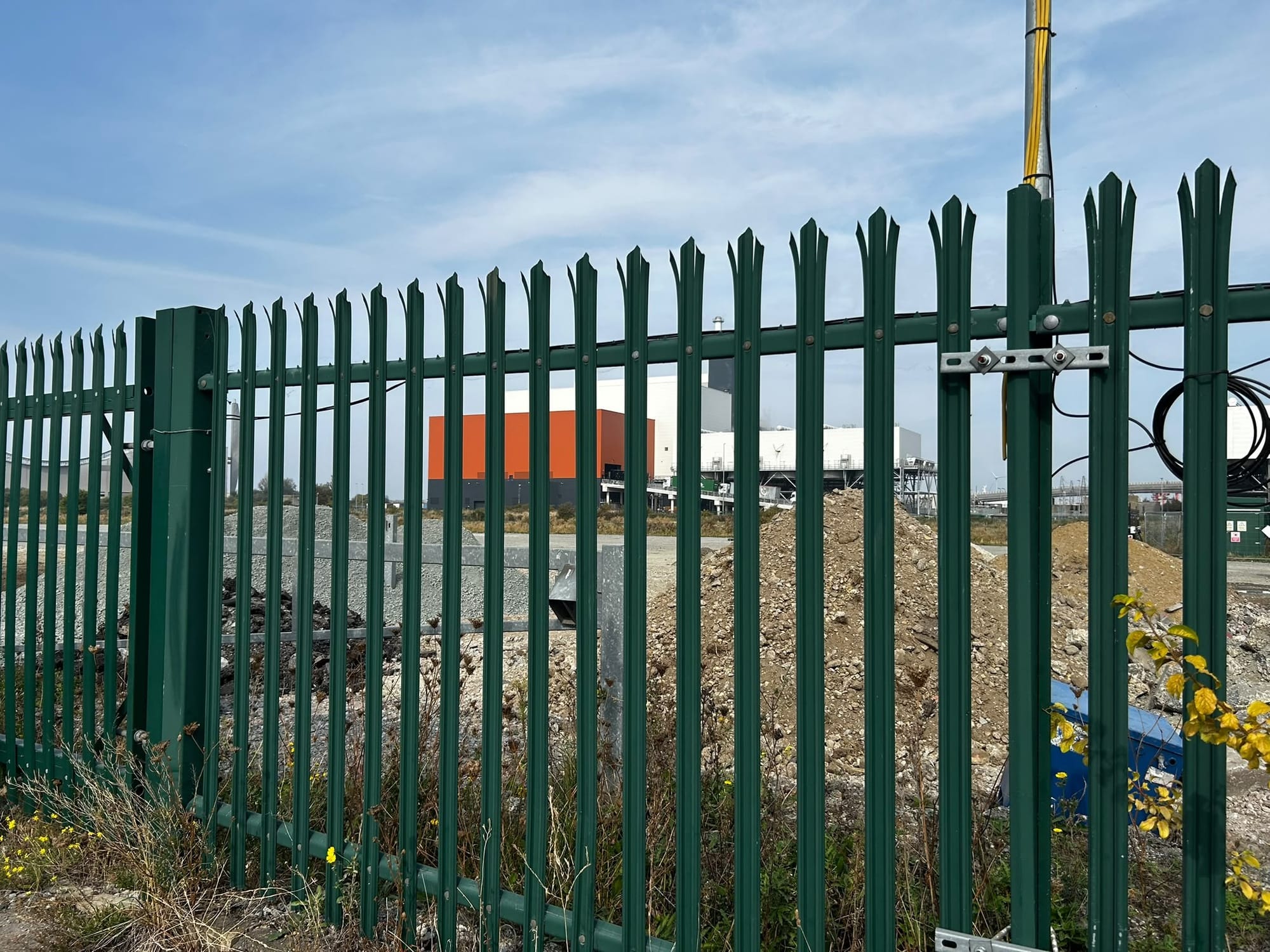
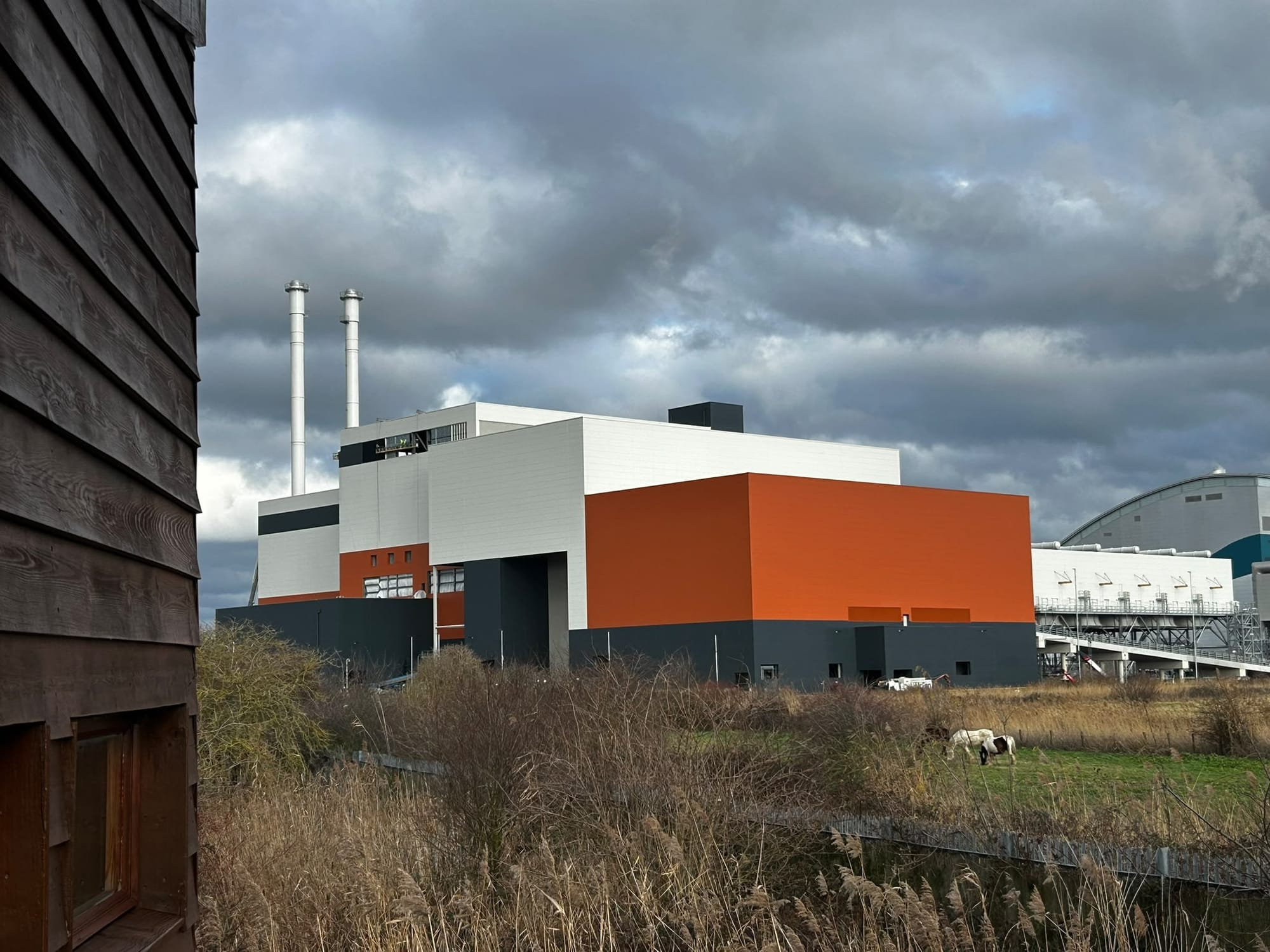
Waste firm Cory has built two vast incinerators at Belvedere, southeast London on the banks of the Thames.
Skylarks used to nest on the Borax Fields which had a unique "mosaic" habitat. The mix of bare ground and patchy vegetation once supported a teeming diversity of plants and wildlife.
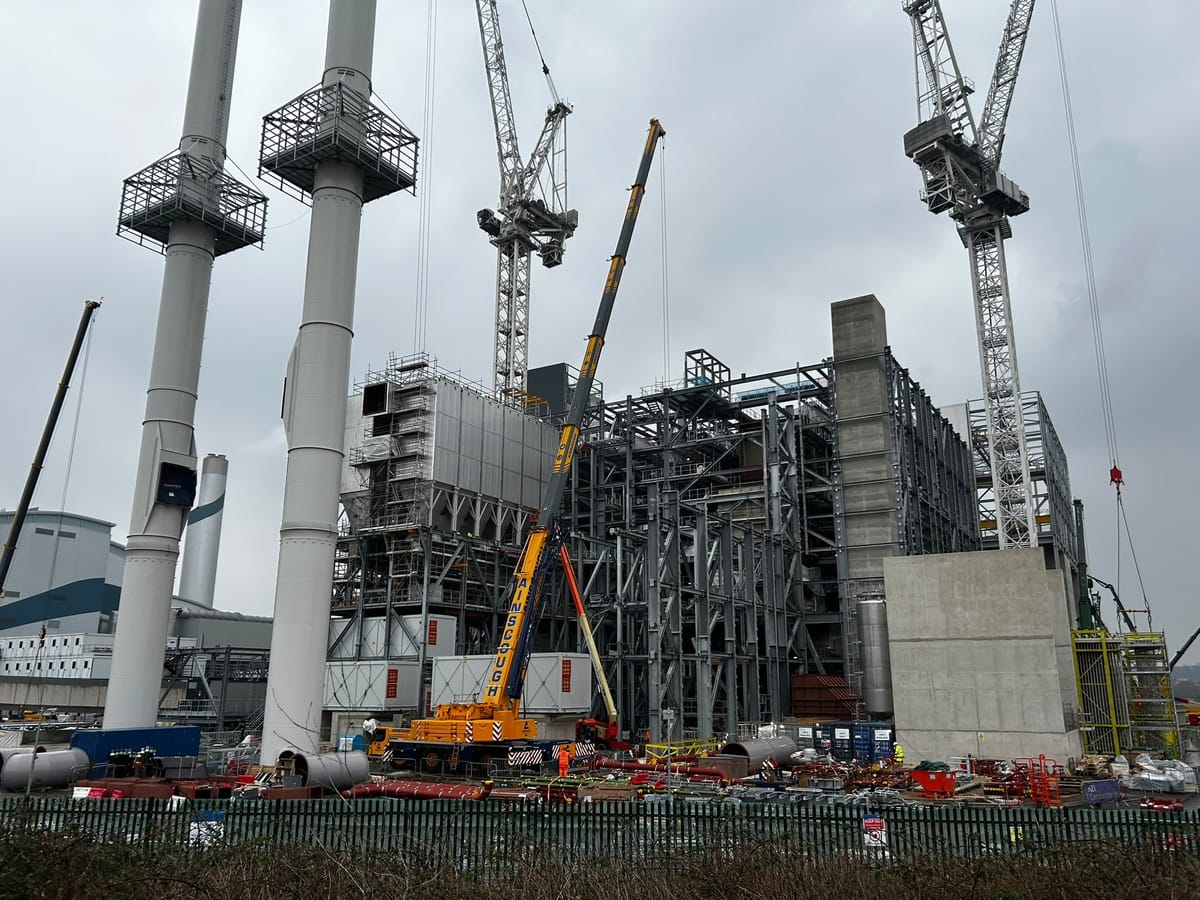
But as Cory developed the site, it fenced off the fields and the habitat began to degrade. When Cory began construction of its second incinerator Riverside 2 in 2023, the Borax Fields became temporary construction compounds and were used to store machinery and materials.
Skylarks never bred there again.
Ancient marshland habitats have been destroyed as Cory develops the Belvedere site, with impacts on creatures at every level of the food chain from plants and insects, to amphibians, reptiles and mammals.
Wheatear and whinchat once stopped at the fields to refuel after their long migration flights from Africa, before heading on to their breeding sites. They have stopped coming.
Both skylark and whinchat are on the UK red-list of species which face the highest level of conservation threat.
The area's fragile population of water voles, Britain’s fastest disappearing mammal, has declined further.
The Riverside 2 waste incinerator faced intense opposition, including from the Greater London Assembly (GLA) and London mayor Sadiq Khan.
Investors put in over £500m and Cory agreed to pay "nearly" £2m compensation for damage to nature, creating and enhancing five replacement habitats in the local area. The funds were placed in a private limited company called “ The Environment Bank”.
But more than six years later, contracts between Cory, the Environment Bank and Bexley council have not been signed for four out of the five habitats.
Contracts between the Bexley and the firm RSK to cover “the establishment phase” for the four sites were finally signed in October 2026, but work has not yet started.
While nearly £2m sits with the Environment Bank, six years of plant life and six seasons of hatching of insects, breeding of birds and reproduction of mammals have already been lost.
Sign-up for our free weekly newsletter - Salamander News in your inbox
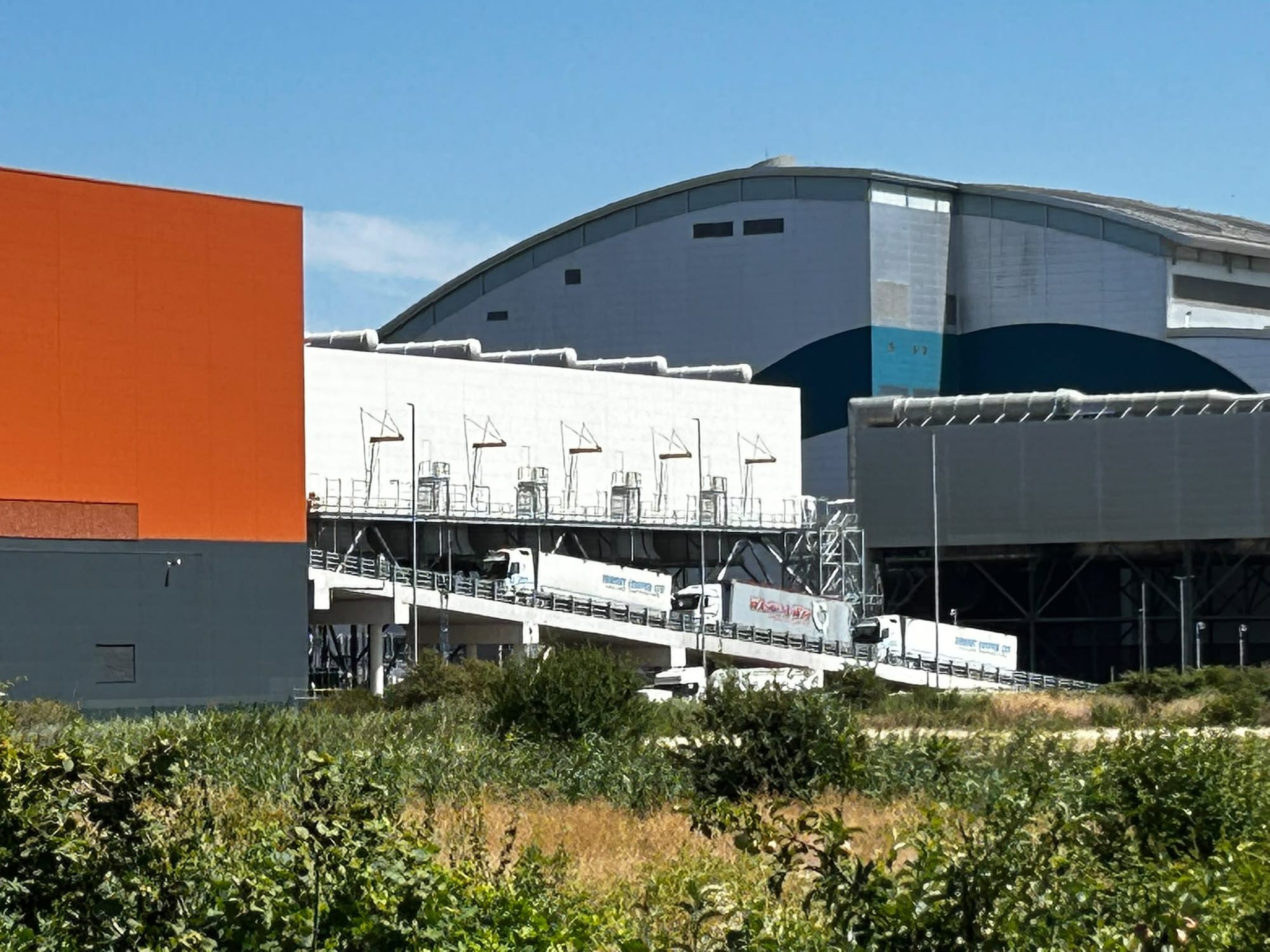
Opposition to Riverside 2 from Sadiq Khan and GLA
Cory met widespread opposition when it announced plans to build its first Energy from Waste (EfW) incinerator on Thames marshland at Belvedere, Bexley in 2006.
Local opposition was overruled and Riverside 1, one of the UK's largest waste incinerators, opened in 2012.
When Cory announced plans for a second incinerator in 2018, opposition was even more intense and included residents, local councils, MPs, the Greater London Assembly and the London mayor Sadiq Khan.
After the government overruled local opposition and forced through Riverside 2, Khan raised a legal challenge against the Development Consent Order (DCO), arguing that "no more energy from waste incinerators are needed in London".
The challenge referenced the GLA's 6-month investigation in 2019 which it says demonstrated that Riverside 2 "is not needed to manage London’s waste and will have a detrimental impact on recycling rates, climate change and air quality".
Khan later withdrew the challenge. City Hall had to pay the government £25K, Cory £30K and its own legal costs of £46K following its attempt to seek a response to the GLA's findings.
As communities around the UK have begun to push back at EfW incinerators and scientists have countered the industry's "low carbon" claims, government policy has begun to change.
Riverside 2 could not be built today without fully addressing the charge of "overcapacity". But the change to policy has come too late for the skylarks that bred year after year on the Borax Fields.
Riverside 2 began operation this year. The damage to the marshland and the plants, insects and wildlife that once depended on it is permanent.
Compensation for destroyed habitats - 'biodiversity net gain'
Investors poured over £500m into building Riverside 2. Less than 0.4% of the investment was earmarked as compensation for the loss of habitats and the loss of amenity to local communities who had once enjoyed the marshland.
The complex process of biodiversity compensation involves three parties: Cory, Bexley council and The Environment Bank.
Despite its name, Environment Bank is not a financial institution. It is a commercial, for-profit, limited company, created to provide a marketplace between developers and landowners. Developers sell off their Biodiversity Net Gain (BNG) commitments and landowners buy them.
In a betrayal of the promises Cory made to engage communities, local environmentalists were shut out of the process from the start.
Riverside 2 received approval in April 2020 and as Bexley council took on responsibility for the habitat replacement projects, some members of the Friends of Crossness Nature Reserve – the adjacent nature reserve - began chasing for answers.
Bexley council confirmed to Friends of Crossness in October 2020 that it had identified four council-owned sites for "biodiversity offsetting" with protection for 25 years: Whitehall Lane in Slade Green, East Wickham Open Space, Barnehurst Open Space and Bursted Woods Open Space.
The fifth site earmarked to meet Cory’s BNG commitment is The Ridgeway, land owned by Thames Water. Birdwatchers report that little progress has been made in improving this site and fly-tipping has increased since the site was cleared.
Campaigners raised the poor quality of Cory's ecological surveys, questioning both timing and methodology. They pointed to the extensive local knowledge of the four sites, including naturalists with deep expertise and asked to be involved as Bexley took over.
But Bexley refused to countenance local involvement, saying that The Environment Bank would only work with council officers. In a clear rebuff they added: "If the Council feels that further expert knowledge is needed then they will engage the services of a consultant".
Support local independent journalism from just £2 per month or leave a tip.
Who does the Environmental Bank serve?
The Environment Bank is a limited company, backed by private equity. It has become a central part of the machinery which enables developers to deliver their Biodiversity Net Gain (BNG) commitments within the framework set by the Environment Act 2021.
The Act requires developers to demonstrate that any new project not only mitigates harm but also improves BNG by at least 10%.
Developers buy certified habitat plots from a designated body such as the Environment Bank, along with a 30-year habitat management programme.
But although The Environment Bank claims to work with government and other bodies, its primary purpose is to satisfy the needs of its developer clients and to make profits for its funders. It has no community-facing role.
The Environment Bank declares that it "works in collaboration with Barclays Business and Corporate Banks" to offer opportunities to developers and landowners.
Barclays is the UK bank most invested in fossil fuels which are driving the climate crisis, which is having a catastrophic impact on the natural world. The choice of Barclays as a banking partner by an organisation which claims to support environmental goals immediately raises questions.
The triangular relationship between developer, The Environment Bank and the landowner raises further concerns. Once a deal has been struck, none of the three parties involved has an incentive to rock the boat, least of all cash-strapped local councils.
Salamander asked Environment Bank how it is monitored and how its contracts – which may affect large areas of important natural habitats – are audited and scrutinised.
We received no response.
Local authority 'marking its own homework'
As the years went by, residents chased Bexley and Cory for updates, repeatedly being told that there was nothing to report.
They contacted Daniel Francis, MP for Bexleyheath and Crayford to ask what measures the public can take if planning conditions are not met by the developer.
This has become even more crucial now that Cory has approval for a vast and controversial Carbon Capture and Storage (CCS) project, which will compound the destruction of nature at Belvedere.
Salamander has reported on the threat to Crossness Nature Reserve from Cory's CCS project, and the concerns from scientists that CCS is a fossil-fuel industry scam.
Cory’s CCS project will result in further direct loss of habitat, and direct loss of rare botanical species, including Frog Rush, Divided Sedge and Strawberry Clover.
Daniel Francis raised a question in parliament and wrote to Michael Shanks MP, minister for Energy Security and Net Zero asking who is held accountable when a developer fails to fulfil its environmental conditions.
Michael Shanks insisted that only the local planning authority has enforcement responsibility and there is no route to appeal.
On a case like Cory's, where the local authority is responsible for both fulfilling the development condition and enforcing it, effectively marking its own homework, the government had nothing to say.
After six years of stonewalling from Bexley, in September 2026 residents raised an Environmental Information Request (EIR).
The response confirmed that legal agreements for the four sites (Conservation Bank Agreements) are not yet signed, the council has not done any annual monitoring, audits or progress assessments and it has not claimed any funds from the Environment Bank.
More than six years after Cory paid Environment Bank almost £2m, no work has begun on the four habitats - an indictment of a system in which no-one speaks for nature.
Local residents have no answer to their question of who can be held accountable for Cory, the Environment Bank and Bexley's failure to deliver.
While council officers make their apologies and shareholders in Cory and the Environment Bank collect their dividends, nature has already paid the price.
A Cory spokesperson said: "Although Cory was not obliged to provide a BNG financial contribution for the Riverside Energy Park, we did so voluntarily and at a substantial level of funding support ..
"To deliver the BNG agreed for the Riverside Energy Park, Cory is partnered with a specialist national provider, Environment Bank (EB). EB has in turn worked with two landowners in delivering those projects: Thames Water and the London Borough of Bexley.
“Work on the Thames Water BNG at the Ridgway site is well underway and will be managed in the years to come to deliver positive biodiversity outcomes. Delivery at the four sites owned by LBB has proved more complex and challenging for a number of reasons, but the sites are being progressed and will be delivered.
"Cory and its partners are firmly committed to the delivery of these sites and are working hard to implement these schemes at the earliest opportunity. Whilst we had anticipated the necessary habitat creation works would have started on the sites last September, we do now expect them to commence this year.”
Support local independent journalism from just £2 per month or leave a tip.