Drought scheme taking water from West Berks aquifers for use in London
Drought conditions this summer have prompted Thames Water to start operating a groundwater pumping scheme which brings water from West Berkshire into the River Thames.
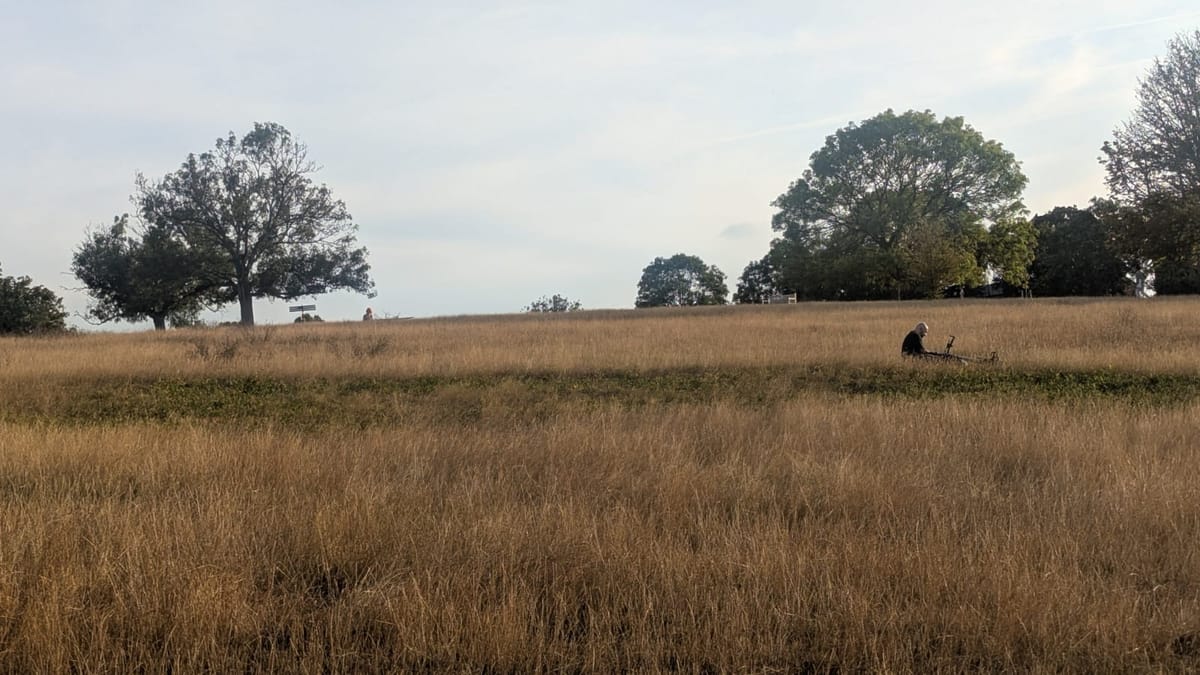
Drought conditions have prompted Thames Water to start operating a groundwater pumping scheme, which brings water from West Berkshire into the River Thames, for use downstream in London.
The West Berkshire Groundwater Scheme (WBGWS) is owned and operated by the Environment Agency, and used in response to drought conditions.
It was commissioned in the 1970s as a drought augmentation scheme for Thames Water. Its primary use is to add groundwater into the River Thames via some of its tributaries, during periods of drought.
This water is then abstracted by Thames Water further downstream in the lower River Thames to become part of the public water supply for London.
The scheme consists of 32 pumping stations (licensed abstraction boreholes) connected to 10 outfalls through 87km of pipeline across West Berkshire.
The boreholes are grouped into seven wellfields (Lambourn, Shefford, Winterbourne, Upper Pang, Lower Pang, Enborne and Loddon) abstracting groundwater from the Chalk and Upper Greens and aquifers.
In drought conditions, Thames Water can request the Environment Agency to operate the scheme as part of its Drought Plan.
The system was built following severe droughts in 1943 and 1944, when the Metropolitan Water Board investigated ways to meet London’s demand for water.
The board proposed taking water from the ground and using it to increase the amount of water in tributaries flowing into the River Thames. Following this proposal, the WBGWS was built in the 1970s.
July was the driest month in Thames area since records began in 1891, and the Thames area is currently in drought.
Thames Water said it has seen large increases in water demand from its customers throughout the summer and rapid storage loss in its West London supply reservoirs.
The company has activated its Drought Plan and implemented a Temporary Use Ban (more commonly known as a hosepipe ban) from 23 July 2026.
The Environment Agency started operating the scheme on 24 August 2026. This included the initial phased switch-on of the Pang, Enborne and Loddon wellfields.
A spokesperson for the Environment Agency said: “We plan to deliver up to 100 mega litres per day to the River Thames to support Thames Water abstractions for public water supply."
“Use of the remaining three wellfields (Lambourn, Shefford and Winterbourne) is not currently planned as part of the current phase but will be kept under close review in the coming weeks as the drought develops.”
The scheme’s operation will increase river flows above the current low levels in the River Pang, lower River Enborne, lower Foudry Brook, lower River Kennet and lower River Loddon.
There will be a greater presence of Environment Agency staff than usual in these areas to complete enhanced environmental monitoring.
Salamander asked Thames Water on 3 September to confirm whether the scheme was still operating. A spokesperson confirmed that they had nothing to add to the article above.
Sign-up for our free weekly newsletter - Salamander News in your inbox