Draft London Plan: What we know about the London mayor’s 10-year goals
The Draft London Plan, published today, suggests City Hall will set a target of 558,000 homes to be built between 2028 and 2037.
London will aim far lower than the government’s housing targets for the capital over the next decade, the mayor’s new spatial development strategy has indicated.
The Draft London Plan – published today (16 July) – suggests City Hall is hoping for 558,000 homes to be built between 2028 – when the strategy is set to be adopted – and 2037.
This is a significant shortfall on the 850,000 target set by ministers for London.
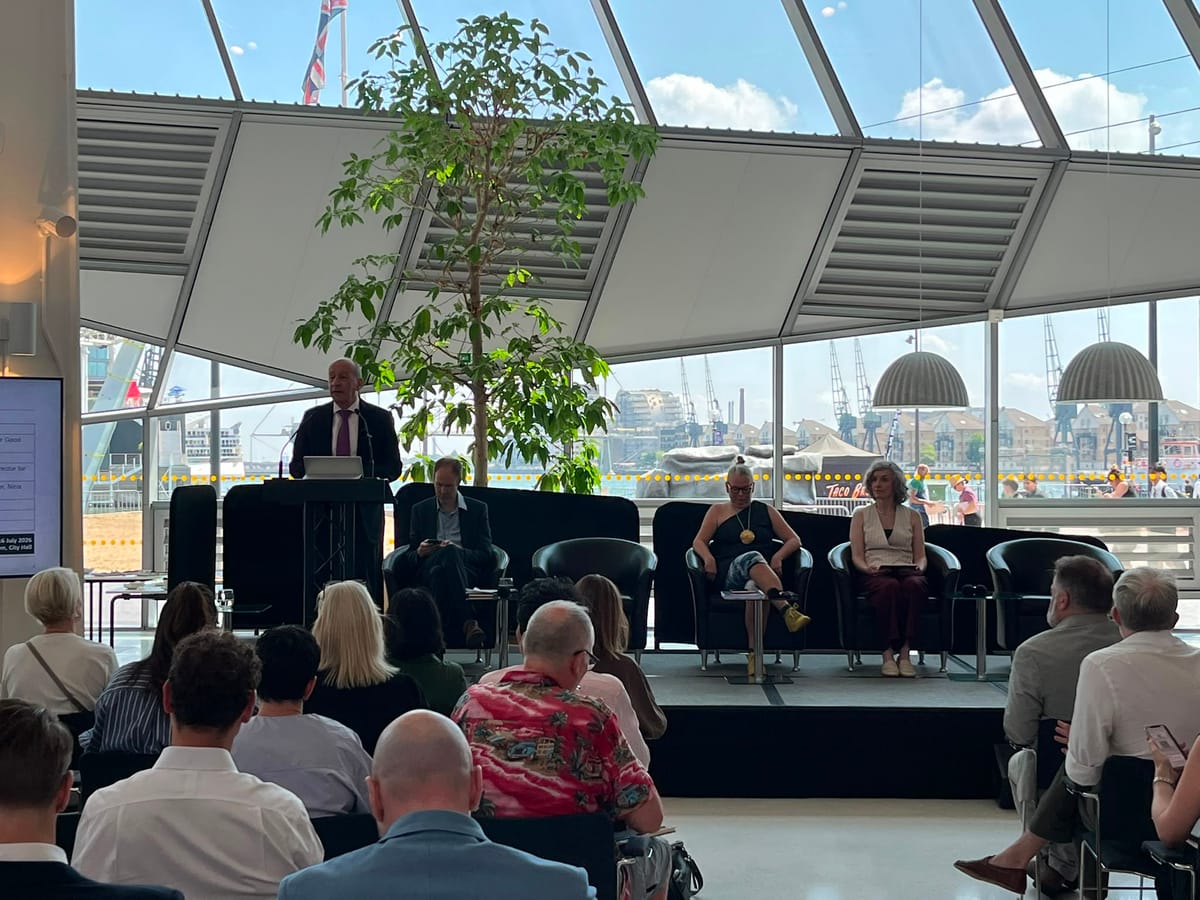
Presenting the document in City Hall earlier today, deputy mayor for planning Jules Pipe said housing remained City Hall’s primary priority going forward and said the 2037 target was more “credible” than the government’s one.
Housing target
Pipe said even City Hall’s self-imposed housing target was not deliverable as things stand, but it would be within two years.
“This is not about lowering London’s ambition, but about bringing forward a new London Plan which is deliverable,” he said. “This is all about giving developers the confidence to build.
“We need a lot of infrastructure to make 850,000 happen. The 558,000 target is not credible tomorrow, but this is a plan that comes into effect in 2028 and three things need to be in place – there needs to be a significant turn in the economy and uptick in the Affordable Housing Grant, and massive investment in transport.”
He claimed that to reach government targets, massive infrastructure projects like the Bakerloo Line needed to be delivered.
Lucinda Turner, Assistant Director of Planning and Regeneration at the Greater London Authority (GLA), added: “We took the 850,000 figure from Government as a starting point.
“Our approach has to be grounded in reality. At this point, 558,000 homes over 10 years is the maximum realistic number – and that in itself is ambitious. We want to meet need, but it will take time beyond this 10-year period.”
Reform UK Assembly Member Alex Wilson told the Local Democracy Reporting Service (LDRS): “Sadiq Khan’s Draft London Plan is a self-contradictory work of fiction. Instead of adjusting London’s 10-year housing targets to be more realistic given the fact only around ten thousand housing starts are managed per year, he has increased targets from the 2021 objective of 522,000 to 558,000 in this plan.
“This Draft London Plan is a perfect representation of Sadiq Khan’s mayoralty – baseless and failing on the issues that matter. I have faith that Londoners will see through it.”
Affordable housing
Instead of a city-wide threshold for fast-tracking developments, the proportion of affordable homes needed will depend on which borough the site is in.
London’s 32 boroughs and the City of London have been divided into three bands. The affordable housing threshold will be 35% for 11 inner authorities and Richmond, 25% for eight more boroughs and 20% for outer London authorities.
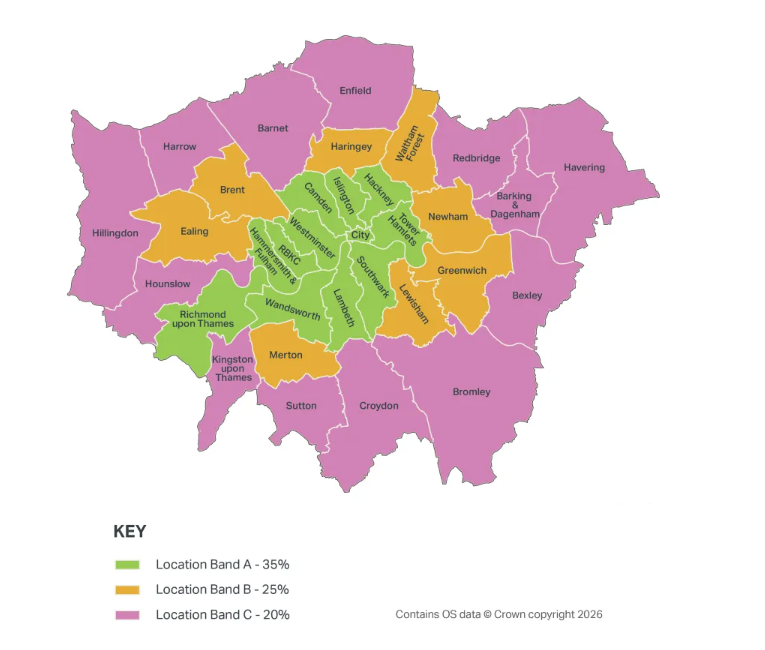
Pipe said: “This is in recognition of the evidence base showing varying viability outcomes across London.
“Our ambition remains that eventually, London will get back to 35% affordable housing, when economic conditions allow.”
Green Party Assembly Member Benali Hamdache told the LDRS: “Locking in a miserly 20% affordable housing target for at least another two years is a betrayal of Londoners and a sell-out to developers. The biggest housing developers are raking in hundreds of millions of pounds in profits off the back of our basic need for a home, while Londoners are expected to accept crumbs as rents continue to soar.
“The model of building lots of luxury flats in hope we get enough council housing is fundamentally broken. But the mayor is locking in this failed approach with the London Plan. I’d urge the mayor to rethink and push Andy Burnham to unlock the promised revolution in building new council homes.”
Hina Bokhari, who leads the Liberal Democrats on the London Assembly, added: “This is an extraordinary admission of failure. The mayor is making a great fanfare about prioritising housing, yet just a few paragraphs in he concedes that he is ‘very conscious’ his own plan will not meet the Government’s housing target for London.
“After years of missing targets, lowering targets, then missing even those, the mayor has now simply resigned himself to failure. They say if you fail to plan, you plan to fail: well, he’s planning to fail from the get go, and he’s publishing his excuses in advance.”
Fate of London's Green Belt
Last year, City Hall sparked uproar as the mayor announced he would explore building on some of London’s Green Belt areas.
The Draft London Plan confirms the approval of “limited and selective release of Green Belt land” for new housing.
However, there will be strict requirements in place for this to happen, which include maximising the level of affordable housing on the land, ensuring high-quality housing design and good transport connectivity, and increasing biodiversity and access to good-quality green spaces as part of developments.
Data centres
Following on the mayor’s pledge to make London the global epicentre for green data centres and AI infrastructure, City Hall have drawn up their first dedicated policy related to the construction of new data centres.
In the UK, 60 out of 100 such units – which house IT infrastructure such as servers – are currently planned for London.
Megan Life, Assistant Director, Environment and Energy at the GLA, confirmed earlier this year that City Hall was developing a new approach that would balance any economic benefits against the environmental damage.
The Draft London Plan suggests that any new data centres would need to offset any negative impacts on residents by providing benefits like “affordable workspace, access to affordable computing, support for local skills development, targeted environmental, transport or other infrastructure improvements”.
However, Mr Hamdache said: “The suggestion in the plan to focus on supposedly green data centres is troubling. It will not be green to deliver data centres in the heart of the city on the scale imagined.
“Ireland has seen all of the renewable energy it produces used up by a growth in data centres, and we cannot meet our climate ambitions while rolling out the red carpet for one of the most energy and water intensive industries in the modern economy.
“When land is so scarce that the mayor wants to build in the Green Belt, we shouldn’t be building data centres in areas which already have great transport and need new homes.”
What happens next?
Following the public consultation and the independent review, City Hall will need to see the London Plan approved by the secretary of state for housing, communities and local government before it can be adopted.
Officials said they would keep a close eye on whether the strategy fits in with the national planning policy framework, which sets out the government’s planning policies for England
A spokesperson for the department said: “We expect the mayor to take all necessary steps to accelerate housebuilding and we will now carefully review the draft London Plan to ensure it maximises delivery across the capital.
“More widely, we’re building the homes Londoners need by overhauling the planning system, funding more social housing, and launching emergency measures to unblock dozens of stalled sites.”
Sign-up for our free weekly newsletter - Salamander News in your inbox