London's May heatwave has 'fingerprints of climate change all over it'
Sunshine, heat and traffic is driving air pollution - Lewisham's high ozone levels have already breached government limits for the entire year.
Dr Friederike Otto, Professor of Climate Science at Imperial College London said: 'Seeing 35C in the UK during spring is absolutely astonishing, but the science is very clear - climate change makes these heatwaves hotter, longer, and far more frequent.'
Seems that Tony Blair hadn't noticed as he advocates for dropping net-zero, but the UK has set a new and disturbing May heat record.
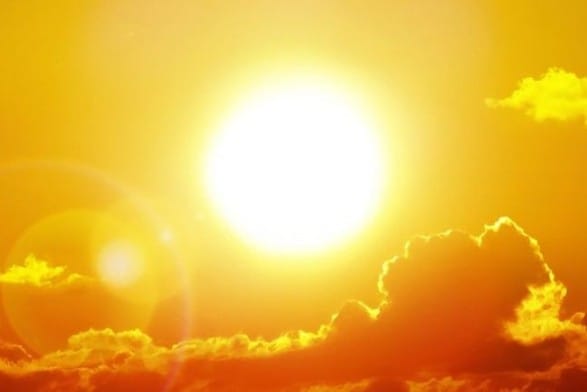
Temperatures reached 35C in London on Tuesday, exceeding the 34.8C reached on the bank holiday and the heatwave continued throughout the week.
A heat dome sat across western Europe and France also saw record breaking May temperatures.
The shock defeat of tennis world No. 1 Jannik Sinner by Juan Manuel Cerúndolo in the French Open yesterday was put down in part to the extreme heat, and several other players collapsed during the week.
Friederike Otto, Professor of Climate Science, Imperial College London said:
"The climate we are living in today is simply not the one we grew up with, and our buildings and infrastructure are woefully unprepared for what's next.
"This record-breaking heat has the fingerprints of climate change all over it. Temperatures on this scale were once exceptional even at the height of summer.
"Seeing 35C in the UK during spring is absolutely astonishing, but the science is very clear - climate change makes these heatwaves hotter, longer, and far more frequent.
High ozone pollution
Ozone levels soared in London during the week but there have been no public alerts from City Hall.
Ozone is created from a chemical reaction with different pollutants - in London mainly from road traffic - under the influence of heat and sunshine.
It causes inflammation and irritation of the lungs, particularly in people that suffer from respiratory conditions.
Data from London Air, run by Imperial College London, shows ozone levels at Honor Oak Park monitoring station in Lewisham have already breached annual limits.
Since ozone levels rise over the summer, exceeding the annual limits before the end of May is a sign of how bad things are.
In Lewisham, the firm Ricardo sent an alert to subscribers at 10pm on Wednesday warning of 'moderate air pollution'.
Ricardo were awarded the contract to manage Lewisham's air pollution monitoring last year. It was previously managed by Breathe London at Imperial College London.
The link "find out more" showed a cluster of reassuring green circles with one in yellow, at Honor Oak Park.
The monitoring station is already showing the air quality breach, but Ricardo's map only lets residents look at a snapshot or 5 day forecast and does not offer its history.
Health risks from heat
Dr Garyfallos Konstantinoudis, lecturer at Imperial College London's Grantham Institute for Climate Change and the Environment pointed to health impacts:
“This exceptional spring heatwave is far more than an uncomfortable disruption to our sleep, work, or study.
"For vulnerable groups without access to cooling - particularly the elderly, the very young, and those with underlying health conditions - these temperatures are quite simply dangerous, and potentially fatal.
“Early-season heatwaves are especially hazardous because our bodies have not had time to acclimatise. Our modelling estimates that we could see more than 250 additional deaths during this heatwave in England and Wales."
Dr Otto added: "While we have made some progress in cutting emissions, it is not fast enough.
Temperature records will continue to tumble until we fundamentally halt global emissions and reach net zero."
The National Emergency Briefing on climate and nature was presented at Westminster in November 2025 and is now being screened across Lewisham and the UK.
Nine scientists and experts explain the growing threats to all aspects of British life from the crises and what needs to be done.
Find Lewisham dates on our Community Events Calendar
Support local independent journalism from just £2 per month or leave a tip.