Will we lose Crossness nature reserve for the 'false promise' of CCS?
Cory has built two incinerators next to the reserve, and 'nature is hanging on by its fingernails'. Both incinerators were widely opposed, and the logic behind the firm's proposed carbon capture scheme is contested by climate scientists.
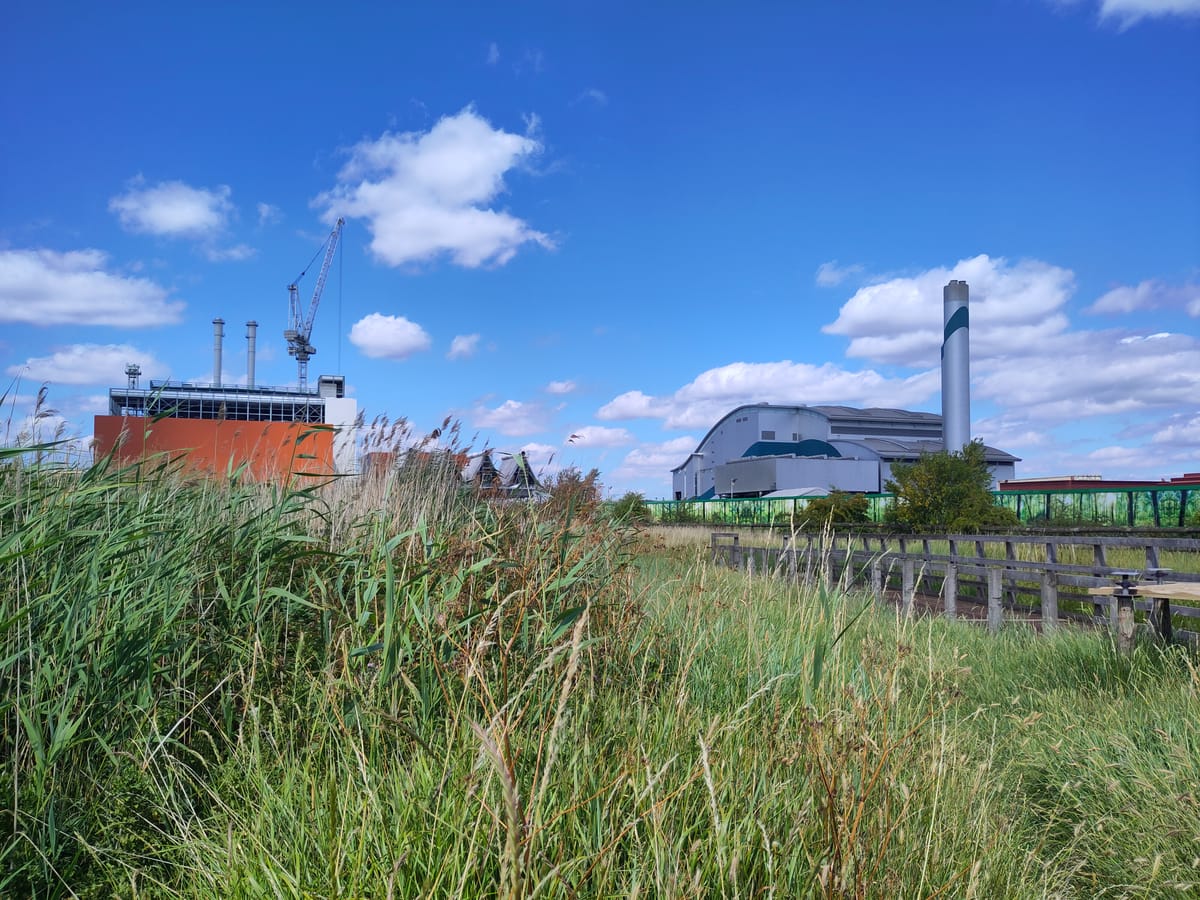
The government's decision on waste firm Cory's planning application was issued on 5 November 2025. It acknowledged the "great negative weight" of harm Cory's carbon capture plant will cause to the nature reserve .. but approved the plant anyway, declaring that CCS (carbon capture and storage) is a "critical" climate solution.
Campaigners, birders and ecologists are reeling at the loss of the (once) protected nature reserve.
But energy analysts dispute the incinerator industry's claims to provide "low carbon" power, and climate scientists call out CCS as an unproven and high risk mirage.
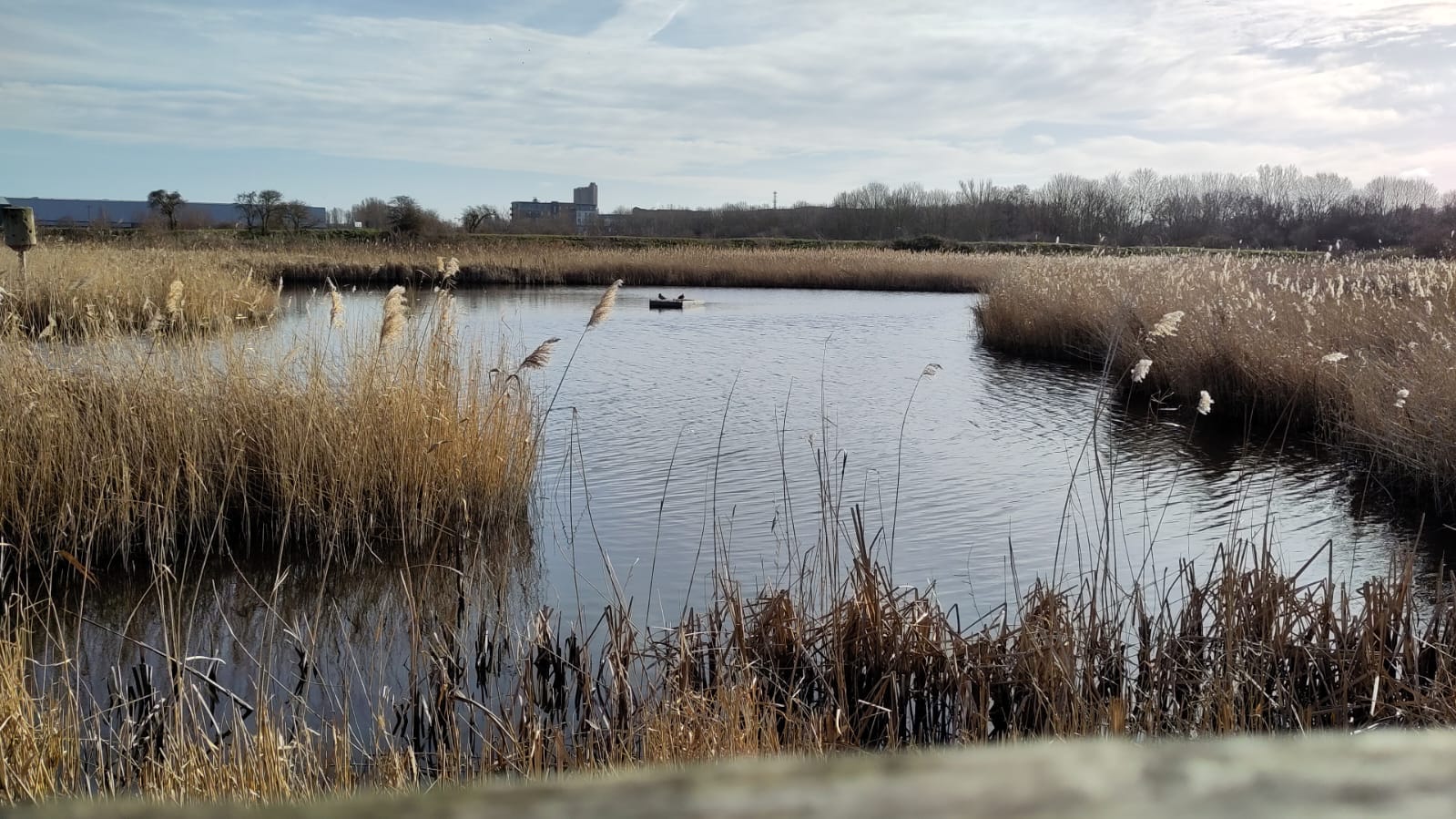
Crossness nature reserve on Erith Marshes in Bexley is a last surviving remnant of ancient marsh grazing land, and has held out as industry and development spread along the banks of the Thames.
The reserve supports a huge variety of migrating birds and native marsh birds. Barn owls - a Schedule 1 protected species - and bats hunt across the area after dark.
Until recently, water voles were thriving in the water courses; they are listed as another priority, endangered species.
The site has been a sanctuary for marsh plants, including the very rare Frog Rush, Divided Sedge and Strawberry Clover.
Amphibians, snakes and insects, including rare species of dragonfly and Britain's rarest bee, the Shrill Carder Bee, depend on the fragile network of waterways, dykes and ditches, as well as the grassland habitat.
"Undisturbed marshlands are very open landscapes with a feeling of wilderness, remoteness, very flat landscapes with big skies," says local campaigner Laurence Pinturault.
All of this will be lost, she says, as Cory's vast new plant, with its enormous storage vessels and pipes, looms over the space.
The firm plan to build a new jetty where huge shipping tankers will dock before transporting condensed carbon dioxide down the Thames.
Cory's incinerators opposed since 1992
Crossness nature reserve began to suffer when the waste firm moved in next door.
Thamesmead Times from August 1992 reports strong opposition (although a low turnout) to plans for the first Cory incinerator, now called Riverside 1.
Despite rising opposition, plans were approved and Cory began construction of the Energy from Waste (EfW) incinerator in 2009.
EfW incinerators burn black bag waste and generate electricity. Despite their low-carbon claims, the BBC has reported that they are the UK's dirtiest form of power.
In 2018, Cory applied to build a second incinerator, Riverside 2. Once again, there was widespread opposition.
The London Assembly environment committee objected, pointing out that London's waste stream contained (and still contains) a large proportion of material that could be recycled, and that the new incinerator would create overcapacity.
Overcapacity creates a disincentive for councils to recycle, and results in waste being shipped into the area.
This is already happening with the single incinerator Riverside 1, which takes waste from Thanet and from west London boroughs as far away as Hammersmith and Fulham.
The London Assembly pointed to the loss of materials, and increased air pollution and climate emissions, while other campaigners raised the threat to nature from the expansion.
During the pandemic, in 2020, the government forced through Riverside 2 as a Nationally Significant Infrastructure Project, despite local opposition.
As EfW incineration took off across the UK and communities began to push back, government regulations eventually tightened.
Revised National Policy Statements EN-1 and EN-3 came into force on 6 January 2026 preventing construction of new incinerators that would create overcapacity.
But they came too late for the nature reserve - construction of Riverside 2 is nearly complete and has already caused damage to wildlife.
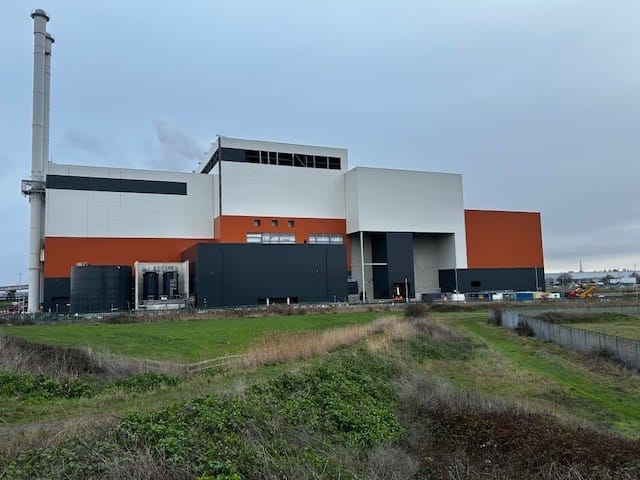
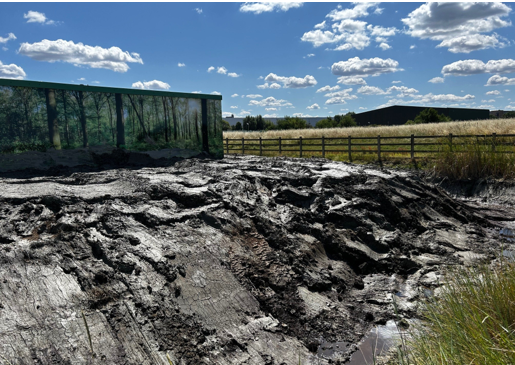
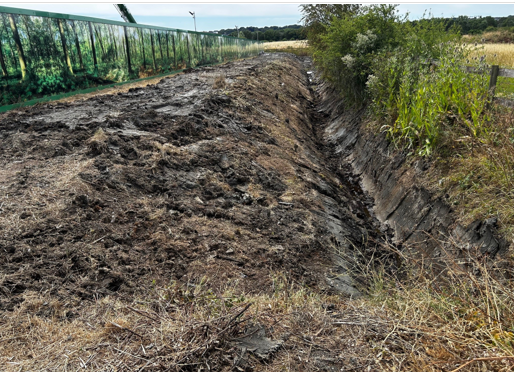
Riverside 2 and reprofiled ditches. Campaigners say this maintenance from Cory was too destructive and should not have been done during water vole breeding season. L. Pinturault
Sign-up for our free weekly newsletter - Salamander News in your inbox
A dead water vole and destroyed breeding grounds
A Cory survey found a dead water vole in ditches near the construction compounds, last year. Local residents point to pollution from the construction process.
Andy Deaves, a campaigner and builder, says that contaminants from the infill material and "solvents, diesel oil, hydraulic oils, heavy metals and PFC's from the equipment .. has all been washing into the watercourse".
Cory did not respond to Salamander's request for comment on the water vole.
Skylark and Ringed Plover breeding grounds have been lost as Cory used the fields as "temporary construction compounds" for its "Riverside Energy Park", Pinturault said.
Construction work also disturbed lapwing breeding grounds next to this site, which now lie empty.
Cory launched its bid for further expansion in 2023, with its plans for "decarbonisation" involving carbon capture from the existing Riverside 1 and the unfinished Riverside 2 incinerators.
In a controversial public consultation, it presented carbon capture as "well-established and with successful examples already operational all over the world," and implied that the transport and storage technologies are safe and well-established.
But this is not the case. Salamander has examined the record of each stage of the carbon capture, transport and storage process, the dangers to people and nature, and its development as an arm of the fossil fuel industry.
 Dorothy Stein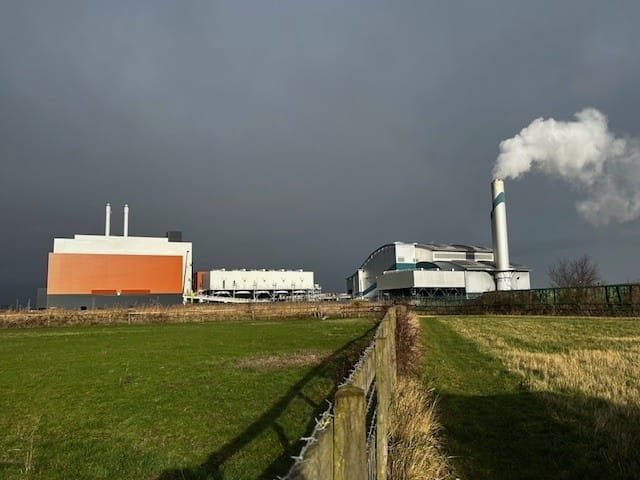
Controversial assumptions about CCS, which are contested by leading climate scientists, were key to the government's consent to building on Crossness Nature Reserve.
Legal challenge
The Save Crossness Nature Reserve (SCNR) campaign group raised almost £25,000 for their legal challenge to Cory's CCS plans.
They provided expert studies of the nature reserve, and an analysis of alternative sites that Cory could use for the plant.
They employed Southwark Law Centre and a barrister who argued that the government's "need case" to build on the reserve was not met, its application of the "mitigation hierarchy" was incorrect, and that the mitigation that they proposed was insufficient.
They also challenged the government's assumptions about carbon capture and Cory's claims that the project falls under a protected category as a Critical National Priority (CNP) project.
CNP is intended to cover clean energy projects, and has a "presumption in favour of consent" which overrides other impacts.
The government's Appraisal of Sustainability in October 2025 confirmed that EfW incineration is "not subject to CNP and not critical to Clean Power 2030".
The government's judgment of 5 November acknowledged that Cory's plans will cause high levels of damage to nature, but asserted that the UK's "urgent national need" for CCS infrastructure overrode this and all other considerations.
It permits two carbon capture plants, with enormous piping infrastructure which will cross above the nature reserve.
Design drawings show six spherical storage vessels of 20m diameter sited on the nature reserve. They will be used to hold condensed carbon dioxide (CO2) until it is piped to tankers, docking at a new jetty.
The river transport technology is nascent - at present, there are only two ships world-wide which can transport CO2, with two more in construction.
Cory may need to dredge the Thames to allow the ships to turn, dock and then transport the condensed CO2 down the river.
There are significant health and safety risks arising from the capture, storage and transport processes, both from amine solvents, which are carcinogenic, and from leaks from condensed CO2.
Salamander examines the risks at each stage of the process.
The government's judgement ignores the alternative of using a nearby brownfield site, which had been researched for SCNR by an expert advisor.
It ignores the carbon cost of losing the natural marshland carbon sink, and ignores the most fundamental way to reduce emissions from the incinerators - the huge potential for reducing waste at source.
And the judgement takes on trust the promises of the fossil fuel industry, ignoring the immense financial and climate costs, risks and liabilities to future generations at every stage of the carbon capture, transport and storage process.
Sign-up for our free weekly newsletter - Salamander News in your inbox
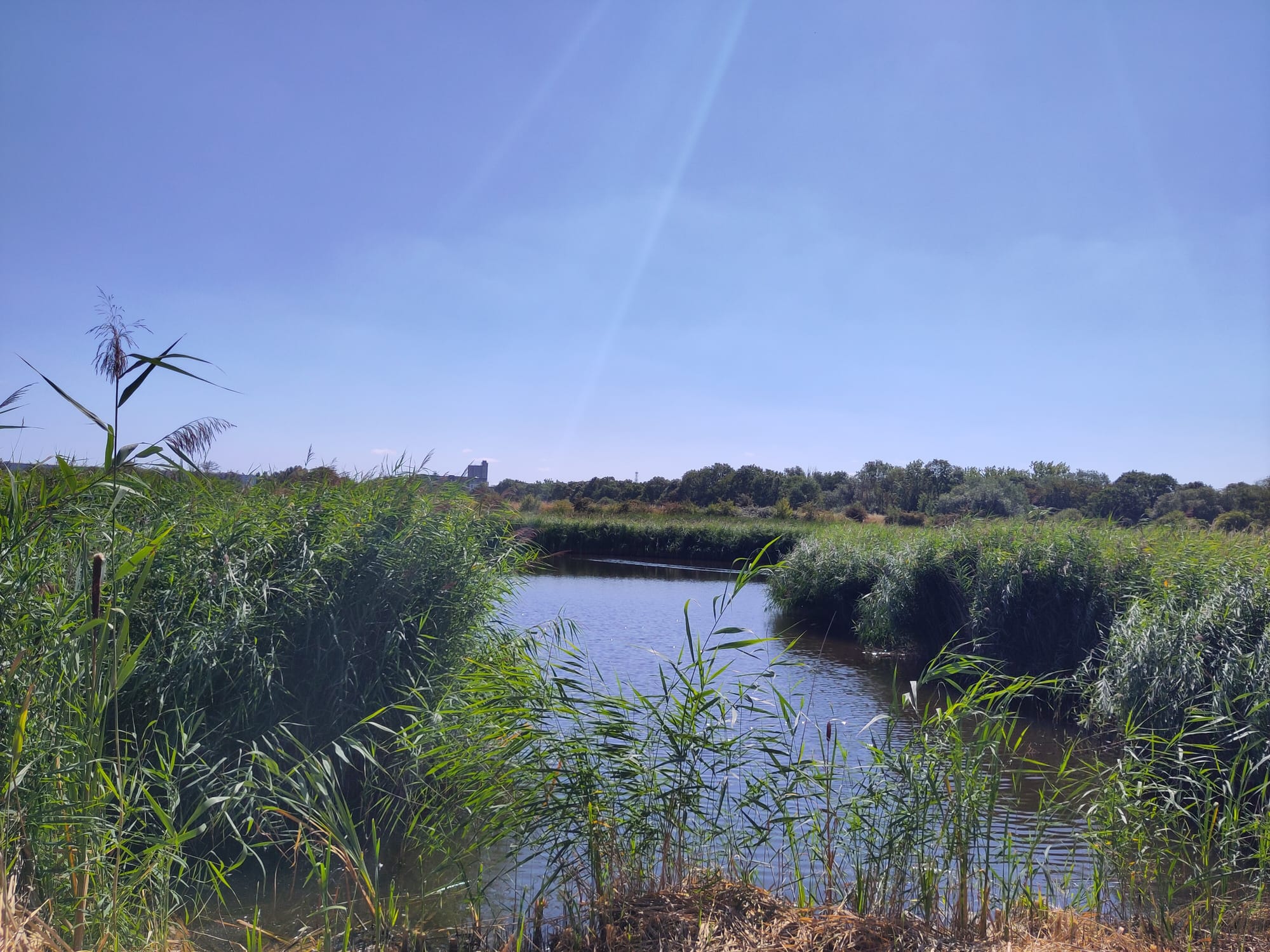
Irreparable damage to the marsh water courses
Pinturault explains that "the best part of the nature reserve will be destroyed, covered over with concrete and infrastructure.
"Ringed plover and Skylark bred on the sites that will be concreted over, and Lapwing bred on the area that will house the monstrously large flue gas pipes."
Deaves spells out how the construction will take place, and the kinds of damage it will cause to the network of water courses and creatures that depend on them.
"When Cory first start doing the ground stabilisation, they will build a box, forming the outside footprint of the carbon capture scheme .. They will need to drive steel sheets, around 30' long, into the ground," he says.
"There are two methods that they could use to drive those in. If they use a percussion hammer, that noise will be heard .. over in Bexley, at least 3 miles away."
"If they use a vibration plant that clamps to the top of the steel sheet, then they will probably use water injected under high pressure to loosen up the ground, and then drive the sheets in with the vibration.
"By the time they have formed this box, any aquifers or subterranean water channels will be severed .. It will stop any water moving through the marshes as it did before."
"Then they'll fill the box with imported ballast to raise the ground level .. according to the plans, by two metres."
Pollutants from the ballast material and mould oil, which is applied to plywood shuttering, will wash through into the marshes, he says, contaminating the ditches and dykes where the aquatic invertebrates and water voles live.
He notes that there are hydraulic fuels and oils being used throughout the construction, contaminating the land "accidents happen .. and once its in the ground, they have limited options to mop up."
After two years of construction of Riverside 2, he's fearful of the effects of further pollution on the water voles, "there will probably be deformities, the population will just nosedive."
Deaves points out that the storage vessels, which will be sited on land taken from the Crossness reserve, are shown on plans as six spheres of 20 metres in diameter.
"They will look like the spheres in a nuclear power station," he says.
He notes the size of the ships that will be required to transport the condensed carbon dioxide along the Thames. "We see a fleet of those vehicle transporters dropping off cars that come from Holland into Dagenham," he says.
"There will be a ship twice the size of that, coming up the Thames .. and then its got to be turned around here, by marine tugs .. you've got pollution from all of those ships."
"Nature is hanging on by its fingernails," he says. "The carbon capture scheme is going to further compromise what is already a fragile ecosystem."
Campaigners, with their deep knowledge of the marshes, point to inconsistencies in Cory's plan for mitigation, and the firm's argument that it will provide biodiversity net gain (BNG).
Cory plan to use Peabody land "which has already been used as mitigation," says local campaigner Lisa Ridler.
"There's just a post and rail fence dividing the current nature reserve and this mitigation area .. wildlife doesn't see any difference between this side of the fence and that side.
"If Cory are going to provide BNG, they can't just enhance this area, it's double-counting."
"We're so human centric," says local artist and birder J D Swann.
"We've caused this issue and we need to find ways to get out of it .. without creating more issues for the natural world".
A spokesperson for Cory said: "By capturing both biogenic and fossil emissions from waste, carbon capture plays an important role in decarbonising hard-to-abate sectors of the economy.
"The Committee on Climate Change has recognised this capability as essential for the UK to meet its net zero target.
"Cory’s carbon capture and storage (CCS) project was granted development consent and designated a Nationally Significant Infrastructure Project by the UK government following the submission of extensive planning, environmental and engineering evidence, and a six‑month public examination."
Find out more about the campaign and visit Crossness nature reserve.
Sign-up for our free weekly newsletter - Salamander News in your inbox
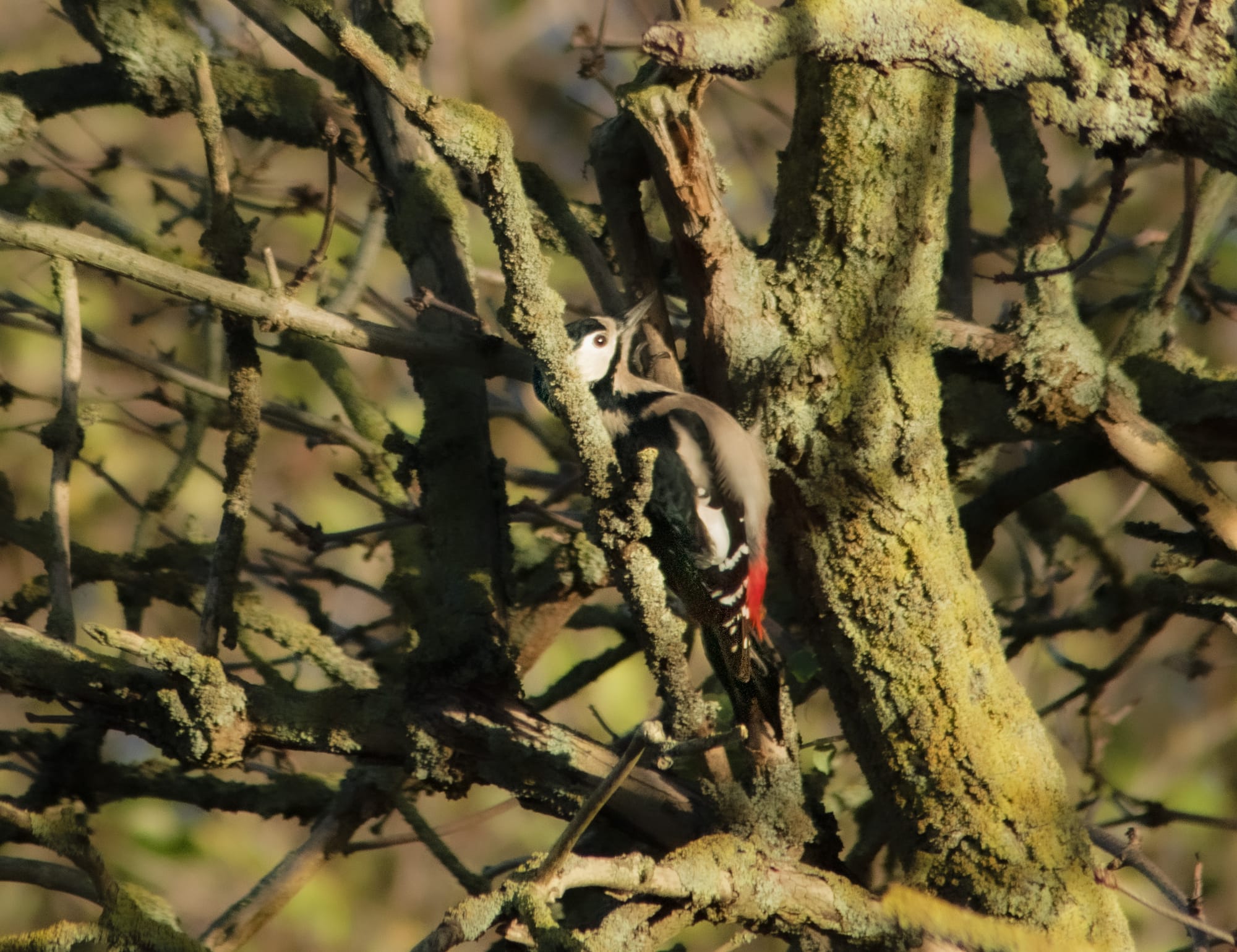
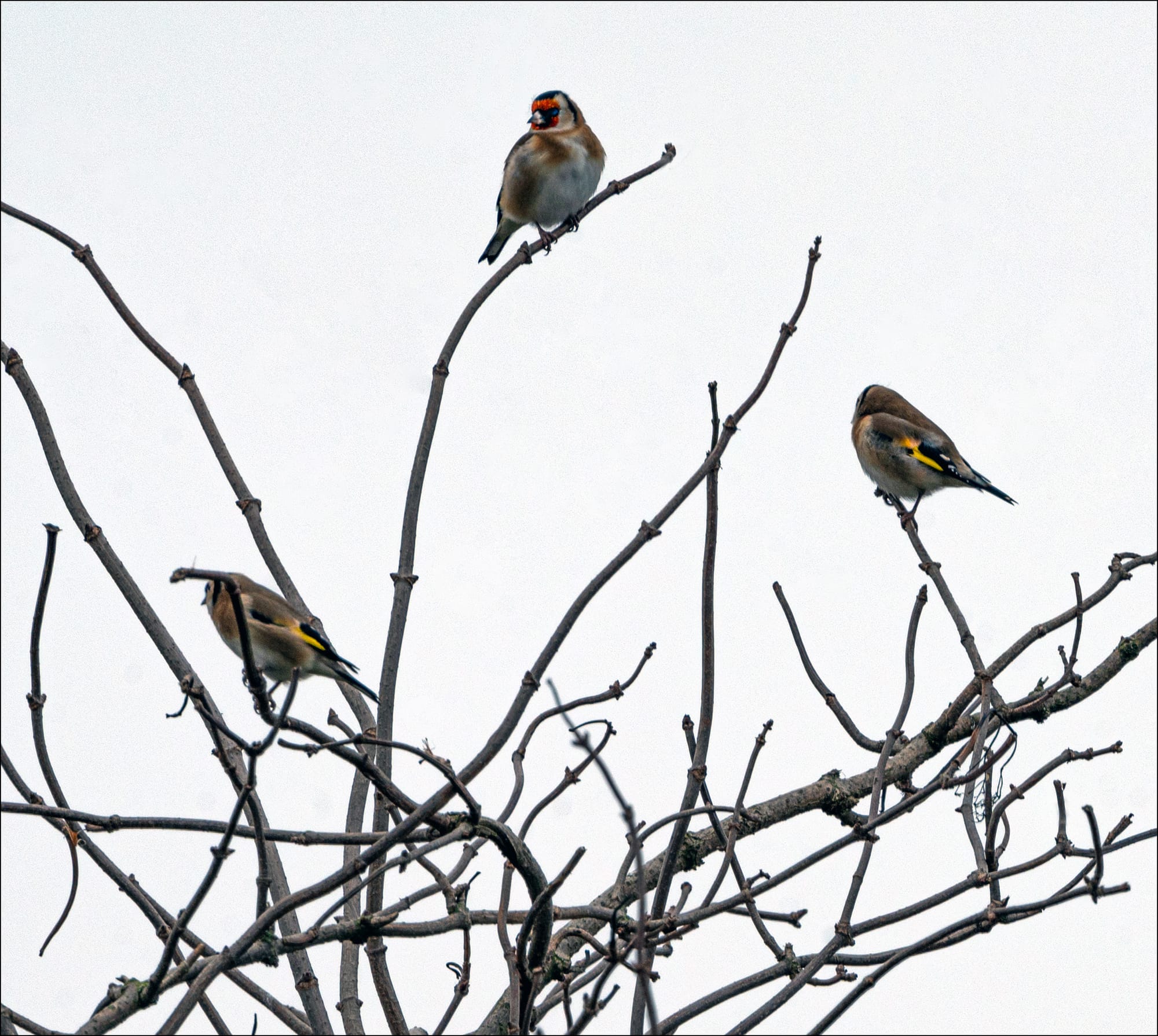
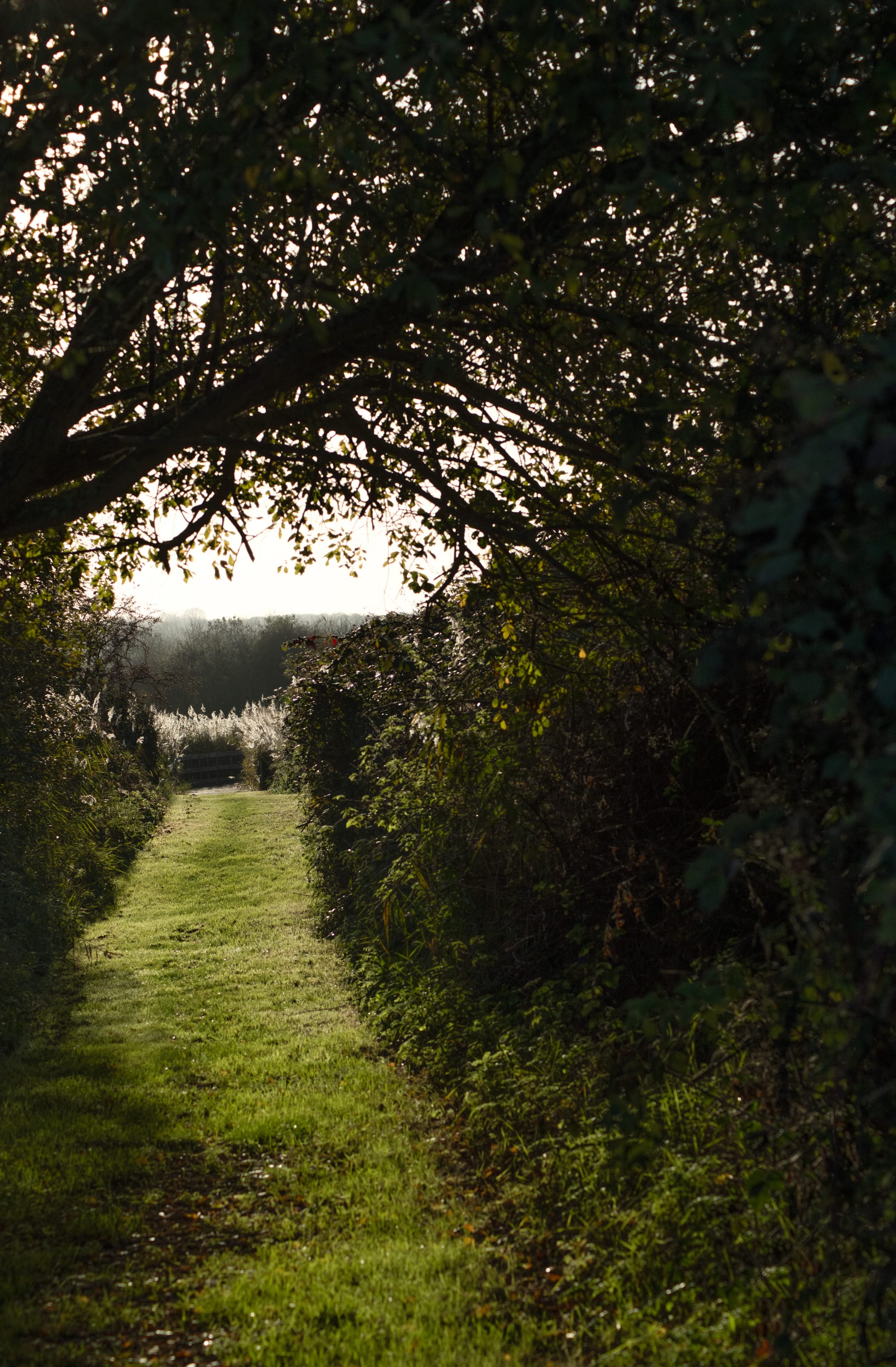
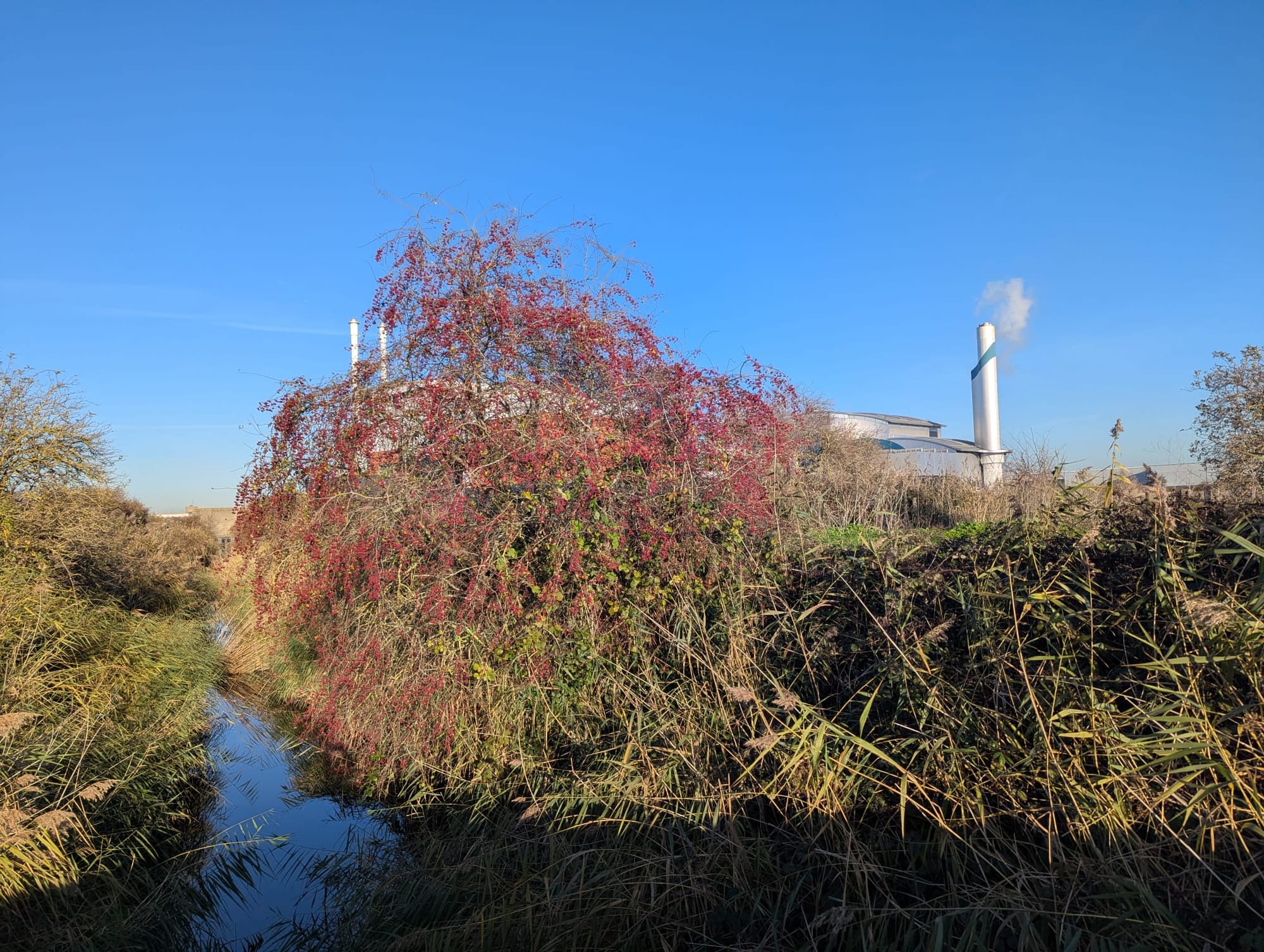
Winter day at Crossness nature reserve, woodpecker and finches. Images: Karin Tearle, final image Salamander News