'It was a lifeline': LGBTQ+ charity Metro closes with fears for young service users
In a funding environment increasingly hostile to LGBTQ+ communities, Metro closed its doors, with a loss of around 64 jobs.
"There were lots of people who weren't out to their parents and were from families that weren't accepting, families that would have reacted abusively had they known that their children were LGBT.
"So the groups provided a lifeline, especially for people in those situations."
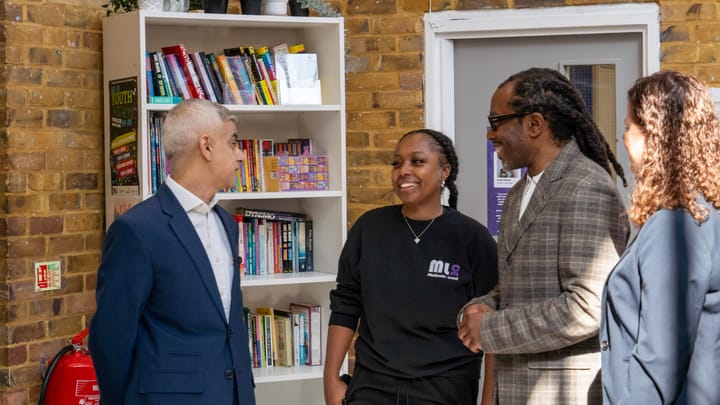
Ellie, once part of the "Metro Youth family", told Salamander how crucial the support sessions had been.
She said that she and her friends felt "very disturbed" by the closure of Metro and the impact this will have on younger LGBTQ+ people coming after them.
Just a week before it closed, Metro told its young service users that it was sharing the news of the board's decision "with a heavy heart".
The charity had been under financial pressure, in a climate of increasing hostility to LGBTQ+ causes.
LGBTQ+ umbrella support group Consortium reported in March 2025 that LGBT+ organisations receive just 10p in every £100 of voluntary sector income.
Research lead Dr Cat Walker said: "All sources of funding are under threat, due to the current economic climate combined with the socio-economic and cultural climate. But the need is greater than ever."
Heather Paterson from Consortium linked the newly "hostile environment" to the April's 2025 supreme court ruling with the UK's draconian rollback of trans rights, but also the wider global context of push back against Diversity, Equity and Inclusion (DEI) policies, which began with US government attacks.
Metro's statement cited "wider challenges across the voluntary sector, particularly within health and youth services, where funding constraints, commissioning changes and rising demand are placing increasing pressure on organisations".
Metro began as the Greenwich Lesbian and Gay Rights Group in 1983, before its changed its name and extended its reach to offer LGBTQ+ health and community support across London and the south east.
It was involved in protests against Margaret Thatcher's Section 28 in 1988 and it launched the UK’s first community-based HIV testing clinic.
The charity's work grew to cover youth services, sexual health, HIV support, mental health provision and advocacy, and its services reached tens of thousands of people.


Members of the GLGRG outside the Albany, Deptford 1985, and pride marches over the years. Images: Metro
Ellie described the group sessions and also wider mentoring support that youth workers provided.
"The sessions were very informative, very practically guided, connecting young people to the appropriate services, and also making them aware of such services.
"You know, their classes about sexual health and gender affirming care were really informative and extremely useful. And they were extremely different to what is provided by the mainstream education system."
Metro's funders included Lewisham council, Lewisham and Greenwich NHS trust, South London and Maudsley NHS Foundation Trust, National Lottery and other councils across London and the south east.
Local groups were also supported by individual foundations and charities, some of which withdrew support as the climate became more hostile towards LGBTQ+ people.
Dawn Brown, chair of the board of trustees, said it was a "very difficult decision" to close the charity: "We know this news will be deeply upsetting for our staff, volunteers, partners and service users".
Tony Wong, chief executive officer, paid tribute to staff, volunteers, trustees, partners and supporters and said they had made "a profound difference to tens of thousands of people".
"While this is an incredibly difficult moment, I am proud of everything METRO has achieved, from pioneering services to standing alongside the various communities we've supported through times of challenge and change. That legacy will endure long beyond the organisation itself.”
The youth support workers may have been as distraught as the young service users, as they mourned the end of the "vital, transformative, life-changing and important spaces."
Lewisham Health and Greenwich NHS Trust were still partnering with Metro in December 2025, and Lewisham council's website is still encouraging young LGBTQ+ people aged between 16 and 25 to contact Metro Zest.
Councils are unable to comment on issues which could affect results during the pre-election period.
Before Metro announced its closure, Salamander has asked both Lewisham council and South London and Maudsley NHS Foundation Trust whether their community grant funding criteria is inclusive towards LGBTQ+ people and did not receive a response.
This is an area we will be investigating further.
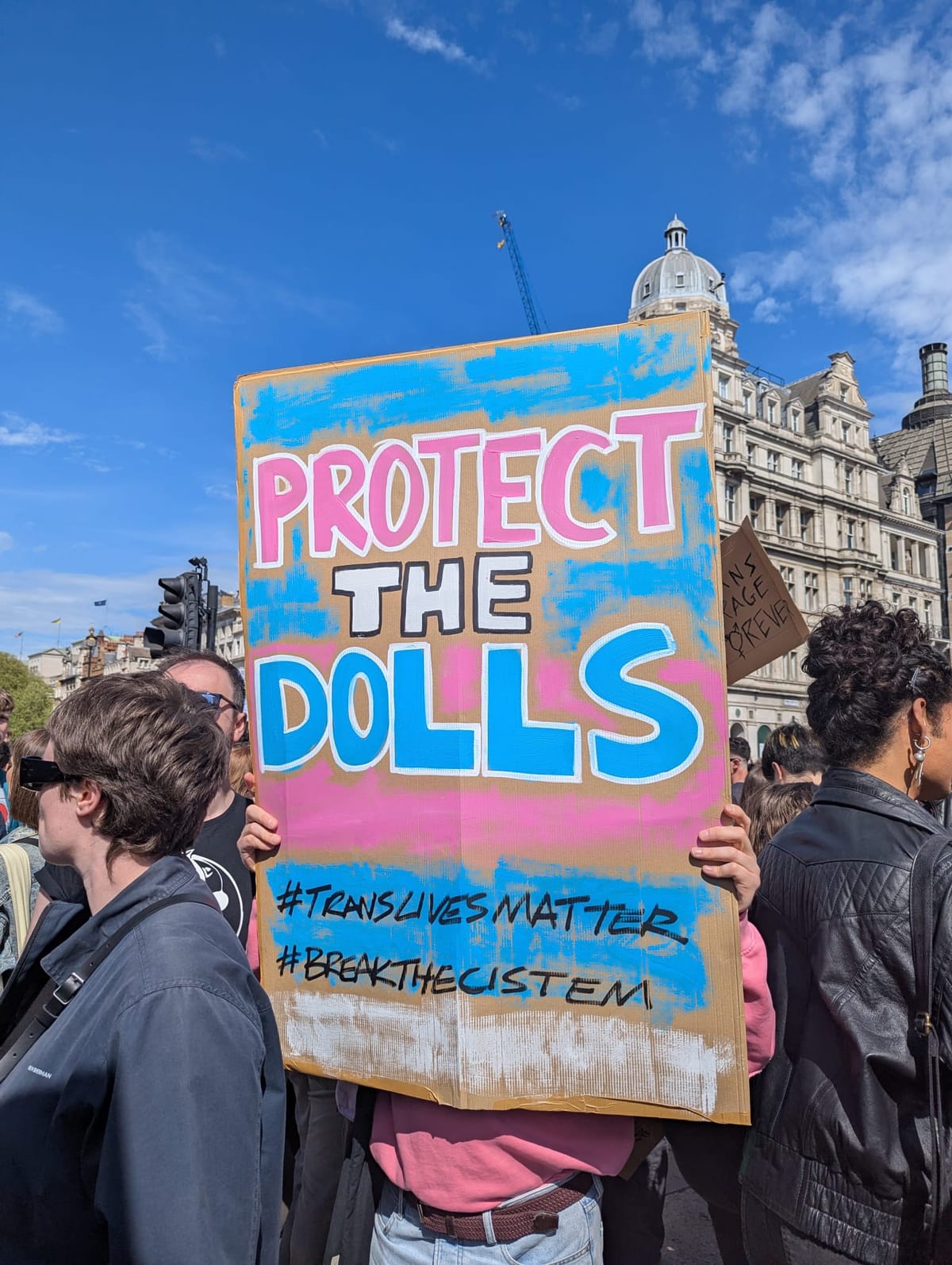
Metro closed on 31 March, Transgender Day of Visibility. "I'm fearful for the lives of trans youth," Ellie said.
Names have been changed.
Metro shared signposting to LGBTQ+ services - contacts you can reach out to for support or community, including help lines, web forums, asylum and housing services.
Please support independent community news. Subscribe or leave a tip.