Timms says 'dehumanising' PIP assessment must change and calls for accessible homes
Minister Stephen Timms acknowledged the need to change the 'dehumanising' assessment process for PIP and called for accessibility to be included in London's housebuilding targets.
As the Government considers changes to the benefits system, Stephen Timms, Minister for Disability, acknowledged that the approach to assessment for Personal Independence Payments (PIP) was widely considered "dehumanising", and suggested this would be the focus of change.
The comments were made in an interview with the Local Democracy Reporting Service (LDRS).
Timms told the LDRS: “We issued a call for evidence in March and had 38,000 responses .. The concerns in the group are about accessibility of the (PIP) benefit.
"A huge number of people said that the assessment for PIP is dehumanising, because it requires you to run through lots of things you cannot do, and it’s a pretty horrible experience.
“What I think we’re going to be setting out in my report is ideas for a different kind of assessment which is not dehumanising.
"I don’t think it’s necessary to have such a horrible process in order to apply for disability benefits. We’ve got to come up with an assessment that does a better job of assessing what the additional costs are that people have, and how those should be supported.”
Timms seemed to rule out recommending any sort London weighting for Personal Independence Payment (PIP) despite the higher costs of living Londoners face.
"London weighting hasn’t been a big theme of the evidence that we’ve gathered .. " he said.
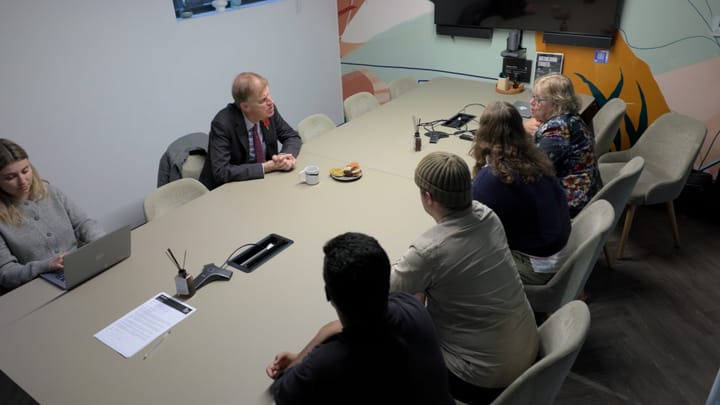
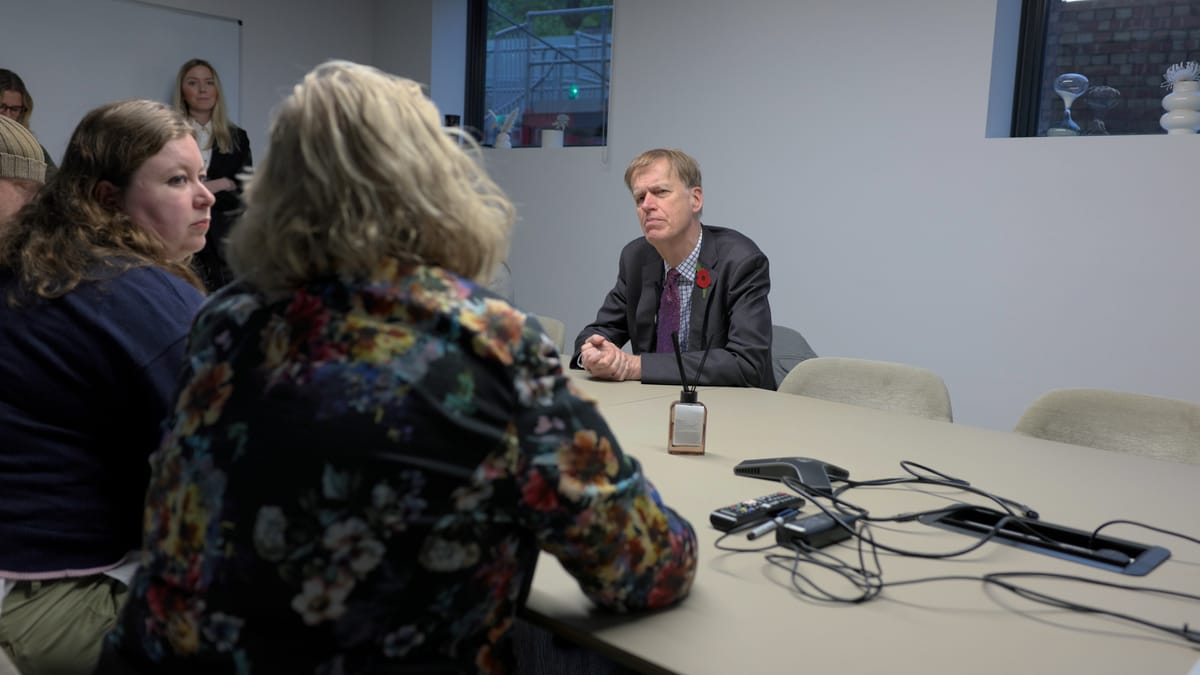
Timms was speaking on a visit to Auticon, a firm which hires autistic adults to work as consultants, in London Bridge.
His upcoming review, to be released later this month, will decide whether the current PIP system – which aims to support adults with the extra costs of disability – is fit for purpose.
Nearly 4 million people in England and Wales claim the benefit which in some cases is worth up to £843 a month. The figure includes almost 500,000 Londoners.
Include accessible homes in housebuilding targets
Building more accessible homes for disabled Londoners will be a crucial part of the government’s drive to get people back into work, Timms said.
He added that meeting ambitious housebuilding targets in London and nationally must be paired with adaptability and accessibility requirements.
Last year a report from the London Assembly Housing Committee found a “chronic” shortage of housing suitable for disabled Londoners.
The new London Plan mandates that 90% of all new homes must meet “accessible and adaptable standards”, meaning they can be adapted easily for future disabled residents – but just 23% of properties completed in 2024 were compliant with this.
However, the mayor of London has said that the new Social and Affordable Homes Programme, which will run until 2036, will boost the number of social and affordable accessible homes, due to the requirement for 10% of new dwellings to be wheelchair friendly.
Asked if City Hall needs to invest more in ensuring London’s newbuilds are up to scratch, Timms said: “That is an important part of what we need to achieve over the next years. As you know, the government has set aside £40bn to invest in social and affordable housing, the biggest programme in living memory.
“We need to make sure that the needs of people who’ve got particular requirements around accessibility of their housing are properly met in the course of that programme.”
Sadiq Khan's critics in City Hall have taken aim at him for failing both to effectively monitor and build accessible homes in London in the last decade.
The 2025 report from the housing committee, chaired by then-Green Party assembly member Zoe Garbett, suggested that the “obvious solution” was building more accessible homes and retrofitting existing housing, but said that a lack of data, stemming from a failure to effectively monitor developer standards, meant taking effective action was “almost impossible".
Reporting by BBC-funded Local Democracy Reporter Kumail Jaffer with additional editing by Dorothy Stein.
Sign-up for our free weekly newsletter - Salamander News in your inbox